

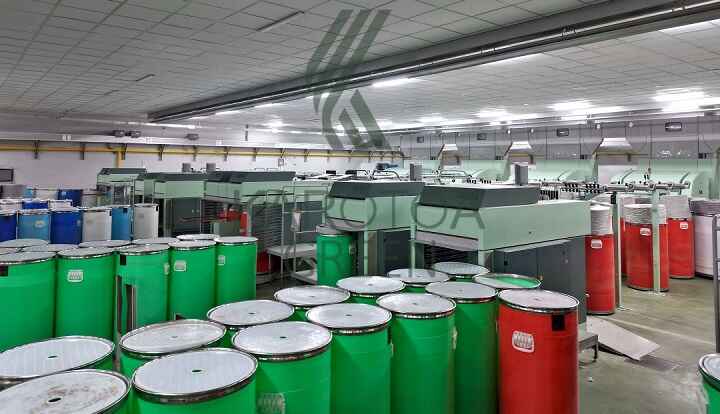
From cotton to yarn, producing premium yarn requires precision, responsible sourcing, and modern manufacturing practices. In today’s global textile industry, buyers, brands, and consumers increasingly expect transparency and environmentally responsible production.
At Karotoa Green Spinning Mills Ltd, we demonstrate our commitment to sustainable textile manufacturing in Bangladesh throughout our production journey. From carefully selecting cotton and preparing the fibers to using advanced spinning technology and maintaining strict quality control, each stage is designed to reduce environmental impact while delivering consistent, export-quality yarn.
Our approach focuses not only on the quality of the finished yarn but also on using resources responsibly and reducing waste throughout the manufacturing process. This helps us meet the changing expectations of international textile buyers while maintaining reliable yarn quality.
Step 1: Responsible Cotton Sourcing
Quality yarn starts with high-grade cotton fiber, and sustainability begins with responsible sourcing.
We prioritize:
- Reliable suppliers with ethical practices
- Quality fiber selection to reduce waste
- Efficient raw material utilization
Selecting the right fiber early ensures consistent yarn and reduces waste.
Step 2: Efficient Ginning & Pre-Spinning Preparation
Before cotton becomes yarn, it undergoes thorough cleaning and preparation. Modern ginning and pre-spinning systems remove impurities while preserving fiber strength.
Our approach emphasizes:
- Reduced fiber damage during processing
- Optimized cleaning systems
- Minimal material wastage
Precision at this stage increases spinning efficiency and enhances final yarn quality.
Step 3: Energy-Efficient Spinning Technology
Spinning is central to yarn manufacturing. At Karotoa Green, we employ advanced spinning systems that combine productivity with sustainability.
Our spinning facilities focus on:
- Energy-efficient machinery
- Automated drafting and monitoring systems
- Reduced downtime and waste
- Consistent yarn strength and uniformity
By optimizing energy use and improving operational efficiency, we reduce our environmental footprint while maintaining premium product standards.
Step 4: Smart Quality Control & Laboratory Testing
Quality assurance drives our eco-friendly process. Waste reduction and sustainability depend on precision.
Our laboratory testing systems evaluate:
- Fiber strength and durability
- Yarn uniformity and twist consistency
- Contamination control
Digital monitoring enables early detection of irregularities, preventing reprocessing and material waste.
Step 5: Waste Reduction & Resource Optimization
We focus on continuous resource optimization throughout our production cycle by:
- Minimizing production waste
- Reusing and recycling by-products where possible
- Improving raw material efficiency
- Maintaining clean and organized production floors
Every efficiency gain helps reduce environmental impact.
Step 6: Environmental Responsibility in Operations
We extend environmental sustainability beyond machinery by:
- Energy-conscious operational systems
- Responsible water usage
- Clean factory infrastructure
- Compliance with environmental standards
By embedding sustainability into operations, we align production with global green manufacturing trends.
Delivering Premium Yarn with Purpose
From cotton to finished yarn cones, our eco-friendly process ensures:
- Consistent export-quality yarn
- Reliable bulk supply capability
- Reduced environmental footprint
- Strong compliance alignment
Sustainability and quality go hand in hand. By integrating advanced technology with responsible practices, Karotoa Green Spinning Mills Ltd is a forward-thinking textile manufacturer in Bangladesh.
Shaping the Future of Sustainable Textile Manufacturing
The future of the textile industry belongs to innovators. Eco-friendly production protects resources and builds long-term trust with global buyers.
At Karotoa Green, our journey from cotton to yarn embodies our mission—to lead sustainable textile manufacturing in Bangladesh with innovation, efficiency, and environmental responsibility.
