

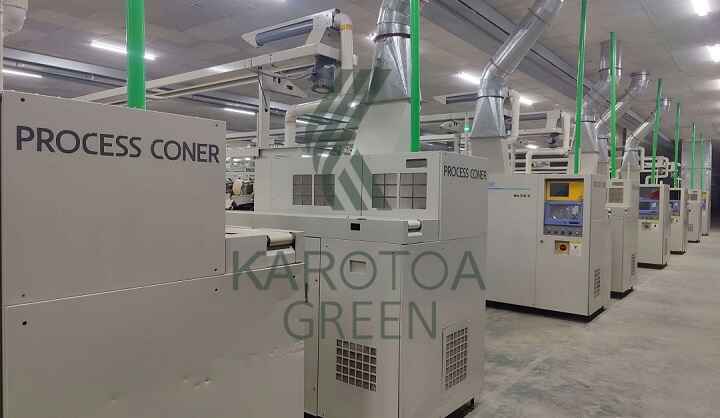
Automation in yarn manufacturing is becoming increasingly important as spinning mills work to maintain consistent quality and improve production efficiency. Even small variations in fiber alignment or twist can lead to fabric defects, machine stoppages, or rejected orders. For this reason, keeping yarn quality consistent is a key priority for modern spinning mills.
In the past, many mills relied heavily on manual processes and operator experience. While this approach could work, it also left more room for variation during production. Today, automated systems are helping mills achieve greater precision and control across different stages of yarn manufacturing.
With automation in place, mills can produce more uniform and reliable yarn that is better suited to high-speed downstream processes. This is becoming increasingly important as global buyers expect consistent quality and dependable performance from every order.
In Bangladesh, manufacturers such as Karotoa Green are moving in this direction, using automation not only to increase output but also to improve yarn quality, production efficiency, and overall process control.
Why Yarn Consistency Matters So Much
Before getting into automation, it’s important to understand why yarn consistency plays such a critical role in textile production.
When yarn is uneven, even small variations can create problems across the entire process. These issues often show up during knitting or weaving, affecting both efficiency and final product quality.
Common problems caused by inconsistent yarn include:
- Frequent breakages during knitting or weaving
- Fabric defects such as thick and thin places
- Reduced machine efficiency and interruptions
- Increased waste, rework, and production costs
On the other hand, consistent yarn allows machines to run smoothly and efficiently. It improves fabric appearance, reduces downtime, and helps maintain stable production. For export-oriented mills, where quality standards are strict, this level of consistency is not optional—it’s essential for building long-term trust with buyers.
What Do We Mean by Automation in Spinning?
Automation in spinning isn’t about replacing people—it’s about supporting them with better tools and smarter systems. It allows mills to manage production more accurately by using machines, sensors, and software to control each stage of the process.
In modern spinning mills, automation brings greater visibility and control, helping teams make faster and more informed decisions.
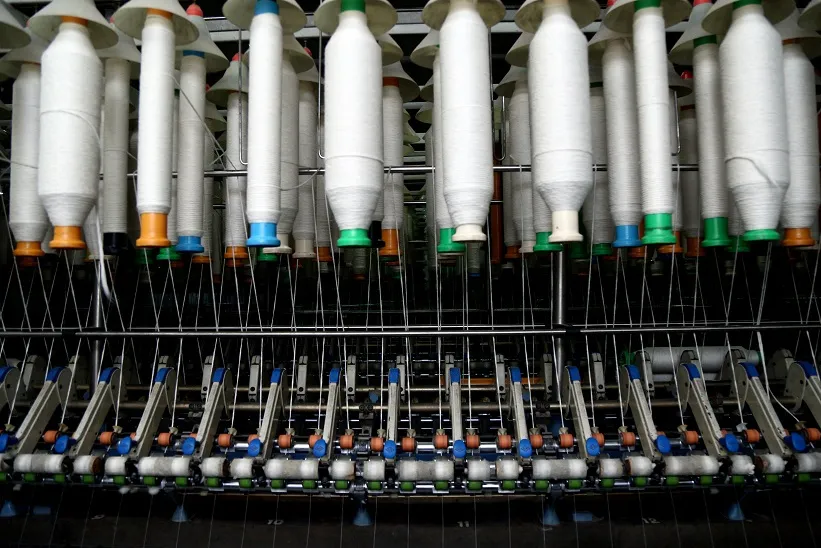
In Practice, Automation Includes:
- Sensors that monitor yarn parameters in real time
- Systems that automatically adjust machine settings when needed
- Digital dashboards that display live production performance
- Automated material handling to reduce manual effort and delays
With these systems in place, mills no longer have to wait for problems to appear. Instead, they can identify and address issues as they happen, keeping production stable and consistent.
How Automation Improves Yarn Quality
1. Better Control Over Fiber Processing
The quality of yarn is shaped from the very first stage—fiber processing. If fibers are not aligned properly or drafted evenly, it can lead to irregularities that carry through to the final product.
Automation helps bring better control and consistency at this stage by maintaining key process parameters with precision.
With automated systems in place, mills can ensure:
- Accurate drafting throughout the process
- Stable tension during fiber movement
- Proper fiber alignment for uniform structure
This level of control results in a more consistent and uniform yarn structure right from the beginning, reducing the chances of defects in later stages of production.
2. Real-Time Monitoring Makes a Big Difference
One of the biggest advantages of automation is its ability to catch issues early—before they turn into larger problems. Instead of waiting until the end of production to identify defects, modern spinning mills can monitor performance continuously.
With real-time monitoring systems, key parameters are tracked throughout the process, including:
- Yarn evenness
- Twist levels
- Machine performance
If any variation occurs, the system detects it instantly. This allows operators to respond immediately and make necessary adjustments on the spot—preventing minor deviations from becoming major quality issues.
As a result, mills can maintain consistent yarn quality, reduce waste, and ensure smoother production overall.
3. Less Dependence on Manual Adjustments
In traditional setups, yarn quality often depends heavily on operator skill and constant attention. Even experienced workers can’t maintain the same level of precision all the time, especially across long production hours or multiple shifts.
Automation helps reduce this dependency by bringing consistency into the process. Instead of relying on manual adjustments, systems are designed to maintain stable conditions throughout production.
With automation, mills can:
- Standardize machine settings across all operations
- Maintain consistent process parameters without frequent manual input
- Minimize variation between different shifts and operators
This leads to more predictable and stable yarn quality, with fewer fluctuations and improved overall reliability. It also allows teams to focus more on monitoring and optimization rather than constant manual corrections.
4. Consistent Strength and Uniformity
Yarn strength and uniformity are essential for smooth performance in downstream processes like knitting and weaving. When these properties vary, it can lead to frequent breakages, uneven fabric, and reduced machine efficiency.
Automation helps maintain consistency by controlling key parameters throughout production. Instead of relying on manual adjustments, automated systems keep conditions stable across all spindles.
With these systems in place, mills can ensure:
- Uniform twist insertion for balanced yarn structure
- Stable yarn tension during spinning
- Consistent output across all spindles
The result is fewer yarn breaks, smoother processing on machines, and better fabric quality. Consistency at this level not only improves production efficiency but also enhances the overall reliability of the final product.
How Automation Improves Consistency Across Production
Consistency in yarn manufacturing isn’t just about one machine—it’s about the entire production line working in sync. From fiber processing to spinning and winding, every stage needs to stay aligned to deliver uniform results.
Automation helps bring this coordination by maintaining stable conditions across all processes and reducing unnecessary variation.
Stable Process Control
Automation keeps machines operating within defined parameters, ensuring steady and controlled production. This reduces fluctuations and helps maintain consistent performance throughout the line.
Same Quality, Every Batch
With standardized settings and continuous monitoring, mills can produce yarn that behaves consistently—day after day and batch after batch. This is especially important for meeting the expectations of global buyers.
Reduced Downtime
Automated alerts and predictive maintenance systems help detect potential issues early. This allows mills to address problems before they lead to breakdowns, keeping machines running more reliably.
Data-Based Decisions
Instead of relying on guesswork, mills can use real-time production data to fine-tune processes, improve efficiency, and solve recurring issues more effectively.
Efficiency and Cost Benefits
The benefits of automation go beyond quality and consistency—it also has a direct impact on overall efficiency and cost control.
By improving how machines run and how resources are used, spinning mills can operate more efficiently while reducing unnecessary losses.
Key Efficiency Gains Include:
- Less raw material waste through better process control
- Fewer rejected batches due to consistent quality
- Lower energy consumption with optimized machine performance
- Better machine utilization and reduced idle time
All of these improvements contribute to stronger cost control. In a price-sensitive market like Bangladesh, even small efficiency gains can make a meaningful difference in overall profitability and competitiveness.
Automation and Sustainability Go Together
Automation doesn’t just improve efficiency—it also supports more sustainable production. When processes are well-controlled and optimized, mills naturally use fewer resources and generate less waste.
In modern spinning mills, better control leads to smarter use of materials, energy, and time.
How Automation Supports Sustainability:
- Reduces waste by maintaining consistent production conditions
- Uses energy more efficiently through optimized machine performance
- Improves fiber yield by minimizing process losses
These improvements help mills meet sustainability goals while also lowering operating costs. In many ways, automation creates a balance between efficiency and responsibility—making it both environmentally and economically beneficial.
How Karotoa Green Approaches Automation
At Karotoa Green Spinning Mills Ltd, automation is not just about increasing output—it’s used to improve both product quality and production reliability. The focus is on building a controlled and consistent manufacturing environment where every stage of the process is closely monitored.
Instead of relying on manual adjustments, the mill uses technology to maintain stability and precision throughout yarn production.
Key Focus Areas Include:
- Modern spinning machinery with automated control systems
- Real-time monitoring of production performance and yarn quality
- Strong quality testing systems to ensure consistent standards
- Efficient processes that support stable and uniform yarn output
This approach helps ensure that customers receive yarn they can depend on—whether for local manufacturing or export markets. By combining automation with process control, Karotoa Green is able to maintain consistency, reduce variability, and meet the expectations of global buyers.
Looking Ahead: The Future of Automation in Spinning
Automation in spinning is still evolving, and the pace of change is only increasing. As technology advances, mills are moving toward smarter and more connected systems that improve both efficiency and decision-making.
We’re already seeing early signs of this shift across modern spinning operations.
Key Developments Include:
- Smarter systems that learn from production data and improve over time
- More connected machines that communicate across the production line
- Better integration between quality control and production processes
These advancements are helping mills gain better control over their operations while reducing variability and improving overall performance.
Manufacturers that adopt these technologies early will be better positioned to deliver consistent quality, operate more efficiently, and stay competitive in the global textile market.
Final Thoughts
Automation in yarn manufacturing is not just about adopting new technology—it’s about gaining better control over the entire production process. Control over quality, consistency, and overall performance is what truly sets modern spinning mills apart.
In today’s competitive textile market, variability is no longer acceptable. Buyers expect yarn that performs consistently across every batch, without unexpected issues in downstream processes. Automation makes this level of reliability achievable by reducing variation and maintaining stable production conditions.
For spinning mills in Bangladesh, this is a practical step forward. By focusing on controlled, data-driven production, mills can achieve better quality, fewer disruptions, and stronger trust with customers. Over time, this consistency becomes a key advantage in both local and global markets.
