

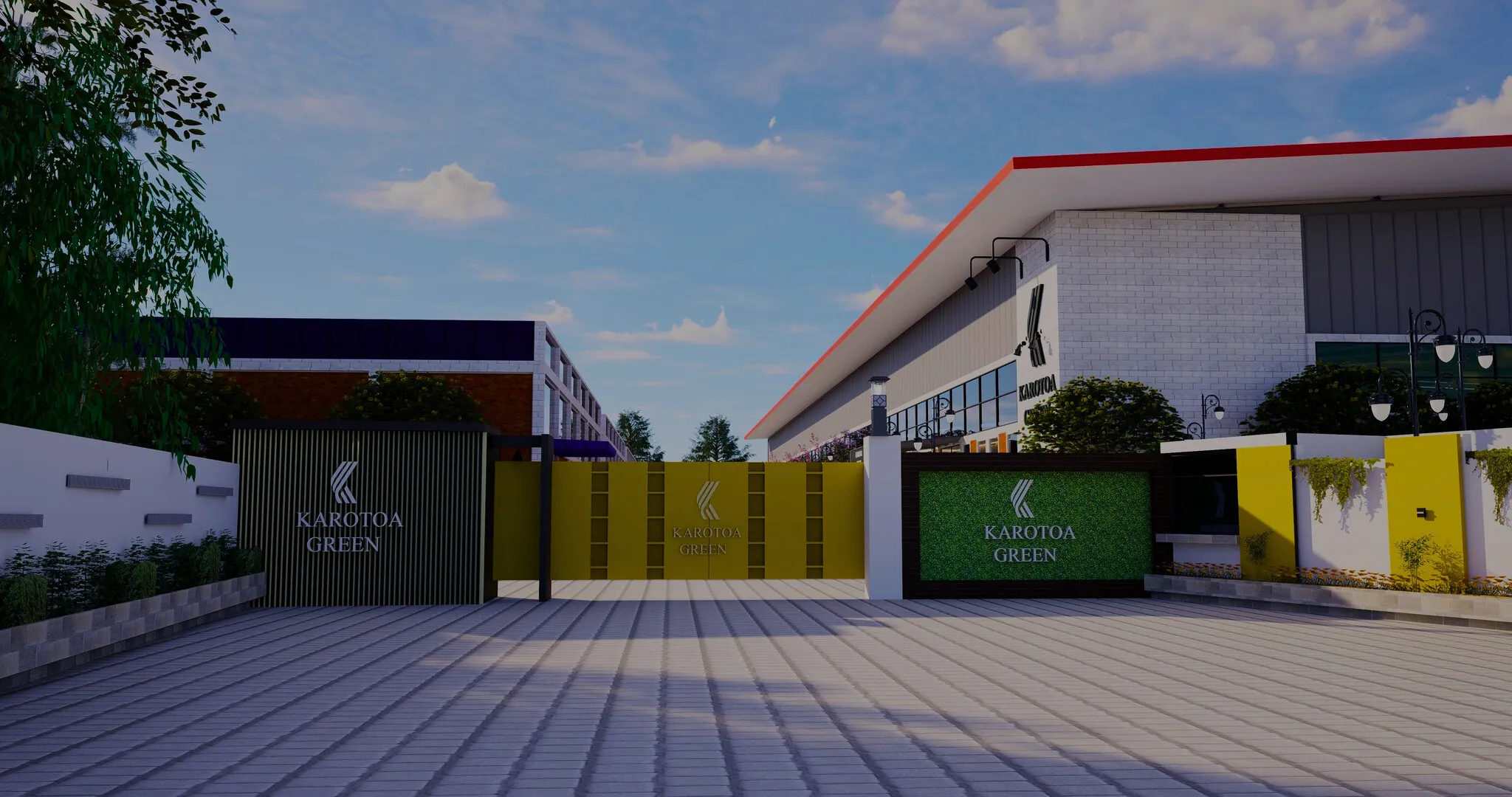
The Bangladesh textile industry is supported by some of the country’s most competitive spinning mills, which play an important role in the global textile supply chain. Today, staying competitive is about more than simply producing more yarn—it means producing it more efficiently, sustainably, and consistently.
As global demand changes, modern yarn manufacturers in Bangladesh are adopting advanced technology, energy-efficient operations, and stronger quality-control systems. Buyers increasingly expect reliable production along with sustainability and compliance with international standards.
In this changing landscape, Karotoa Green Spinning Mills Ltd represents a new generation of spinning mills in Bangladesh. Its focus on modern machinery, eco-friendly practices, and consistent quality reflects the direction in which the country’s textile sector is moving.
Why Bangladesh Is a Leader in the Global Textile Industry
Bangladesh has emerged as one of the world’s leading apparel exporters, with its textile sector playing a central role in driving economic growth. The industry contributes a significant share to national GDP, accounts for the majority of export earnings, and supports millions of livelihoods across the country.
A major factor behind this success is the well-established network of spinning mills in Bangladesh. These mills form the backbone of the textile value chain by supplying high-quality yarn to both local garment manufacturers and international buyers. By strengthening backward linkage industries, they help reduce reliance on imported raw materials and ensure a more stable and cost-effective supply chain.
In recent years, the industry has been evolving beyond volume-driven production. Manufacturers are increasingly focusing on value addition through innovation, advanced machinery, and improved quality standards. Investments in energy-efficient technologies and sustainable production practices are also helping Bangladesh align with global market expectations.
At the same time, the development of a skilled workforce and the adoption of modern management systems are becoming essential for long-term competitiveness. These combined efforts are enabling Bangladesh to not only maintain its leadership position but also adapt to the future demands of the global textile industry.
Industry Strength
- Bangladesh is among the top apparel exporters globally
- Textile sector contributes over 80% of total export earnings
- Plays a key role in national GDP growth
- Employs 4+ million workers, making it one of the largest employment sectors
Supply Chain Advantage
- Strong network of spinning mills in Bangladesh supports production
- Ensures steady supply of high-quality yarn
- Reduces dependence on imported raw materials
- Strengthens backward linkage industries
- Improves lead time and cost efficiency
Global Competitiveness
- Strong reputation in the global textile supply chain
- Ability to meet international quality and compliance standards
- Increasing focus on value-added products
- Positioned for long-term sustainable growth
Innovation: The Key to Leading the Textile Industry in Bangladesh
In today’s fast-changing textile landscape, innovation has become the real differentiator. It’s no longer just about producing more—it’s about producing better, faster, and more efficiently.
Bangladesh’s textile and apparel sector accounts for over 80% of the country’s total export earnings, making it one of the most export-dependent industries in the world. At the same time, the industry employs more than 4 million workers, highlighting its massive economic and social impact.
To stay competitive globally, many spinning mills are now adopting advanced technologies such as compact spinning, automated drafting systems, real-time production monitoring, and modern laboratory testing. These innovations are not just upgrades—they are becoming industry standards.
The results are clear:
- Improved yarn consistency and strength
- Reduction in production waste and defects
- Increased operational efficiency by up to 15–25% (in modern automated setups)
- Greater reliability for international buyers
In fact, global buyers are increasingly prioritizing suppliers who can ensure consistent quality, traceability, and compliance, especially as sustainability regulations become stricter in key markets like the EU and North America.
This is why companies that invest in innovation are leading Bangladesh’s transition toward smarter textile manufacturing.
One such example is Karotoa Green Spinning Mills Ltd, which continues to strengthen its capabilities by upgrading infrastructure and integrating automated systems—ensuring high-quality yarn production that meets evolving global standards.
Sustainability: A Strategic Advantage
Sustainability has become a major factor in global sourcing decisions. International buyers now prefer suppliers that follow environmentally responsible practices and comply with global standards.
According to insights from the World Bank, sustainable manufacturing is becoming increasingly important for developing countries to remain competitive in export markets.
Manufacturers like Karotoa Green are adopting eco-friendly approaches, including energy-efficient machinery and waste reduction strategies. Learn more about Karotoa Green’s sustainability initiatives and how they support long-term growth.
Advanced Quality Control and Export Readiness
In today’s textile industry, consistent quality is essential for building trust and staying competitive in global markets. For manufacturers in Bangladesh, meeting international standards is a key part of maintaining strong export relationships.
Modern yarn production relies on advanced testing systems that monitor each stage of the process. Important factors like fiber strength, yarn uniformity, twist consistency, and contamination are carefully controlled to ensure reliable results.
Many mills are also adopting digital quality management systems, allowing real-time tracking of production data. This helps identify issues early, reduce material waste, and maintain steady output without delays.
The result is improved product quality, more efficient operations, and greater confidence among international buyers. As global expectations continue to rise, this level of precision and consistency has become increasingly important.
By focusing on quality and continuous improvement, Bangladesh’s textile manufacturers are strengthening their position in the global supply chain.
Strengthening Bangladesh’s Competitive Edge
To remain competitive, the textile sector continues to focus on modernization, workforce development, and sustainability.
Companies like Karotoa Green Spinning Mills Ltd are contributing to this transformation by combining advanced technology with sustainable practices and high-quality yarn production. You can also explore related capabilities at Tara Spinning Mills Ltd for a broader view of the group’s operations.
Future Trends in Bangladesh’s Textile Industry
The future of Bangladesh’s textile sector will be shaped by technology, sustainability, and data-driven manufacturing. Companies that adapt early will gain a strong competitive advantage in global markets.
Key trends include:
- AI-driven production analytics
- Smart factory integration
- Renewable energy adoption
- Carbon footprint monitoring
- Circular economy initiatives
By aligning with these trends, manufacturers can enhance efficiency, meet global expectations, and secure long-term growth in an increasingly competitive industry.
Conclusion: Defining Leadership in Bangladesh’s Textile Industry
Leadership in Bangladesh’s textile industry is no longer defined by scale alone. Today, it is shaped by innovation, sustainability, technological advancement, and a consistent commitment to quality.
As the industry evolves, manufacturers that embrace automation, eco-friendly practices, and data-driven systems are setting new standards for efficiency and reliability. These factors are becoming essential for meeting global expectations and maintaining long-term competitiveness.
Forward-thinking spinning mills are leading this transformation by focusing on responsible growth and continuous improvement. Karotoa Green Spinning Mills Ltd is one such example—combining modern technology, sustainable practices, and quality-driven production to support Bangladesh’s growing influence in the global textile market.
