

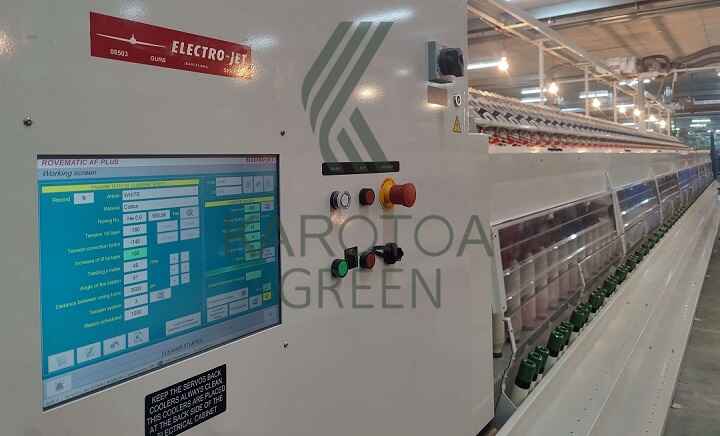
Bangladesh has established itself as a global leader in textile and apparel manufacturing, supported by a strong and evolving production ecosystem. At the heart of this success is a well-developed spinning sector that ensures a consistent supply of high-quality yarn for both local manufacturers and international markets. As global demand shifts toward sustainability and efficiency, modern spinning mills in Bangladesh are moving beyond traditional production methods by adopting advanced technology, automation, and energy-efficient systems.
This transformation is creating a more competitive and future-ready textile industry—one that prioritizes quality, reliability, and sustainable manufacturing. For global buyers and sourcing partners, this strengthens Bangladesh’s position as a dependable hub for yarn production and textile sourcing.
Karotoa Spinning Mills Ltd, a key concern of Karotoa Green, reflects this new era of innovation-driven manufacturing. Equipped with state-of-the-art spinning machinery, high production capacity, and advanced quality control systems, the mill consistently delivers export-quality yarn that meets international standards.
By integrating modern spinning technologies, sustainable practices, and efficient operations, Karotoa is not just adapting to industry changes—it is helping shape the future of spinning mills in Bangladesh.
A Modern Spinning Mill in Bangladesh
Karotoa Spinning Mills Ltd is built to meet the growing demands of both domestic and international textile markets. As a modern spinning mill in Bangladesh, the facility combines advanced spinning technology with efficient, well-structured operations to deliver consistent and reliable results.
The mill is designed to support high-performance yarn manufacturing, ensuring every stage of production meets global expectations. With a focus on precision and process control, Karotoa continues to strengthen its position among forward-thinking textile manufacturers in Bangladesh.
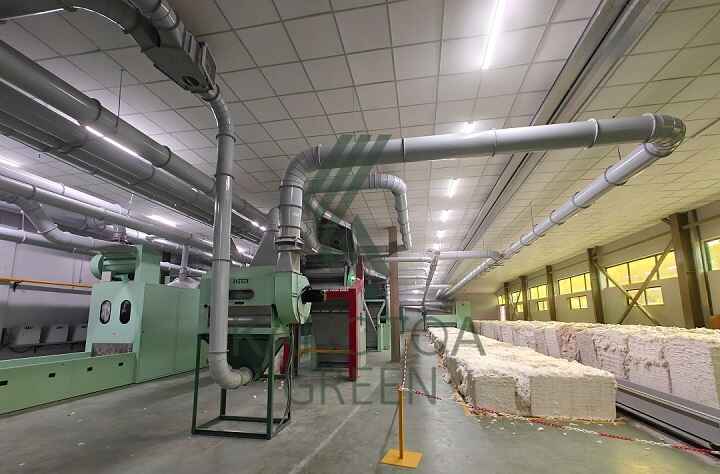
Key Focus Areas:
- Consistent yarn quality for knitting and weaving applications
- High production efficiency through automated spinning systems
- Export-ready manufacturing aligned with international standards
- Sustainable production practices with optimized resource use
By integrating innovation with industry expertise, Karotoa ensures stability and quality across the entire yarn production process—from raw fiber to finished yarn.
Advanced Machinery Driving Precision
One of the defining strengths of Karotoa Spinning Mills Ltd is its investment in advanced spinning machinery. In today’s textile industry, precision, speed, and consistency are essential—driven by continuous innovation and evolving manufacturing standards across Bangladesh’s textile sector.
Modern textile production depends on cutting-edge equipment to maintain high levels of accuracy and efficiency. To achieve this, the mill incorporates:
- High-performance spinning frames
- Automated drafting systems
- Precision control mechanisms
- Reduced manual intervention processes
These technologies help minimize human error, improve yarn uniformity, and enhance overall productivity. In addition, advanced machinery enables the production of a wide range of yarn counts suitable for various textile applications, including knitting and weaving.
To understand the broader industry shift, explore innovation in Bangladesh’s textile industry.
High Production Capacity & Operational Efficiency
Production capacity plays a vital role in meeting the growing demands of the global textile market. Karotoa Spinning is well-equipped to handle large-scale yarn production while maintaining strict quality standards and operational consistency.
As a modern spinning mill in Bangladesh, the facility is designed for efficiency, enabling streamlined processes and optimized output across every stage of manufacturing. This ensures reliable performance for both domestic and export-oriented clients.
Key Capabilities:
- High-volume yarn production to meet bulk demand
- Efficient workflow management for smooth operations
- Faster turnaround time for large orders
- Strong supply chain reliability and delivery performance
This robust production infrastructure allows Karotoa to consistently deliver high-quality yarn with speed and precision. By combining capacity with efficiency, the mill supports textile manufacturers and global buyers who require dependable sourcing and timely delivery.
Learn more about efficient yarn manufacturing solutions in Bangladesh and how modern mills are meeting global demand.
Automation & Smart Manufacturing Systems
Automation is reshaping the textile industry, and Karotoa Spinning Mills Ltd is embracing this transformation through smart manufacturing systems. By integrating digital technologies into production, the mill enhances both operational efficiency and product accuracy—supporting broader industry progress highlighted in Pioneering Sustainable Textile Manufacturing in Bangladesh.
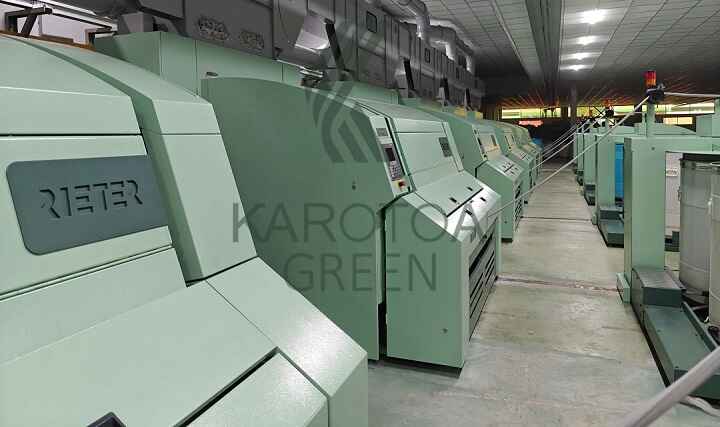
As a modern yarn manufacturer in Bangladesh, Karotoa leverages automation to streamline processes, reduce manual dependency, and maintain consistent output. This approach aligns with the growing demand for precision, sustainability, and reliability in global textile production.
Key Automation Features:
- Real-time production monitoring for better process control
- Digital control systems to maintain consistent performance
- Automated quality checks to ensure yarn standards
- Reduced machine downtime through predictive maintenance
These smart systems enable proactive decision-making, allowing production teams to identify issues early and optimize performance. The result is more stable operations, improved resource utilization, and reduced production waste.
Learn more about sustainable textile manufacturing in Bangladesh and how innovation is driving efficiency across the industry.
Quality Control & Yarn Testing Excellence
Quality is the foundation of any successful spinning mill, and Karotoa Spinning Mills Ltd places it at the core of its operations. A dedicated quality control system ensures that every batch of yarn meets international standards and buyer expectations.
As part of its commitment to excellence, the mill follows a structured quality assurance process that monitors every stage of yarn production—aligned with best practices outlined in From Cotton to Yarn: Our Eco-Friendly Production Journey.
Quality Assurance Includes:
- Fiber inspection and grading to ensure raw material consistency
- Yarn strength and uniformity testing for reliable performance
- Twist consistency analysis to maintain product standards
- Contamination control to deliver clean, defect-free yarn
Equipped with advanced laboratory testing equipment and supported by skilled technicians, Karotoa maintains strict quality benchmarks across all production lines. This integrated approach ensures consistent product performance and reflects the growing importance of traceability and sustainability in modern yarn manufacturing.
The result is dependable, export-quality yarn that meets the requirements of global textile manufacturers.
Read more about eco-friendly yarn production in Bangladesh and how quality and sustainability go hand in hand.
Sustainability & Energy Efficiency
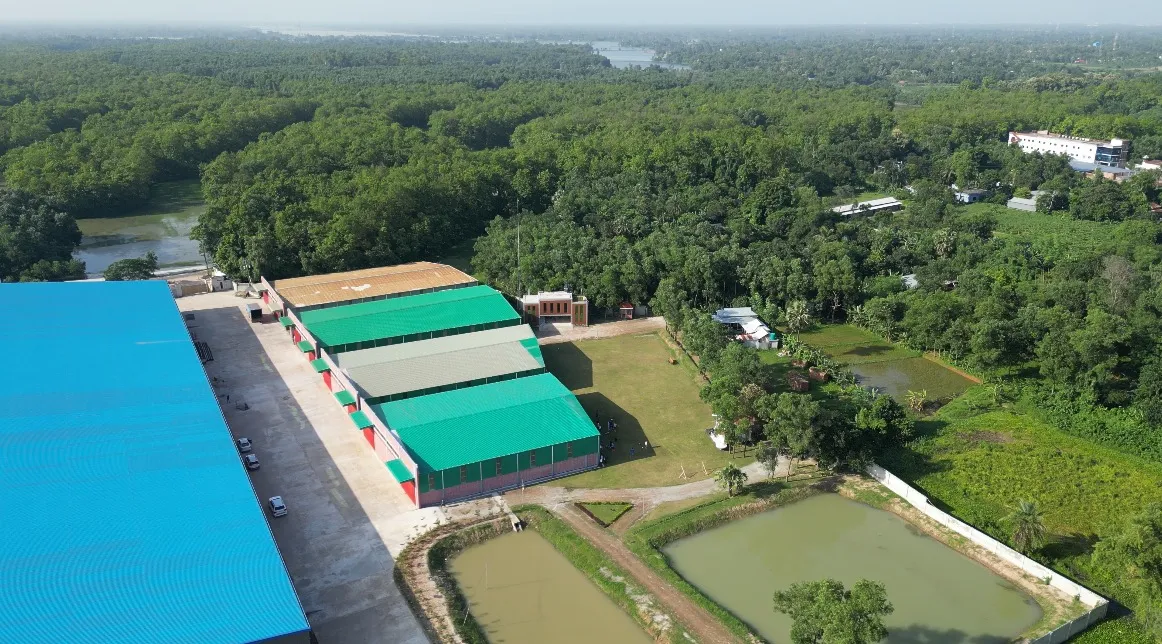
Modern textile manufacturing requires a careful balance between productivity and environmental responsibility. Karotoa Spinning Mills Ltd integrates sustainable practices into its operations to reduce environmental impact while maintaining high production efficiency.
As global demand shifts toward responsible sourcing, the mill continues to adopt eco-friendly manufacturing processes—aligned with industry practices highlighted in Pioneering Sustainable Textile Manufacturing in Bangladesh.
Sustainability Initiatives Include:
- Energy-efficient machinery to reduce power consumption
- Optimized resource utilization for improved efficiency
- Waste reduction strategies across production processes
- Clean and well-organized production environment
By implementing these measures, Karotoa not only minimizes its environmental footprint but also enhances operational performance. This approach reflects the growing importance of sustainable textile production in Bangladesh, where manufacturers are aligning with international standards and buyer expectations.
Discover how water recycling and energy-efficient spinning mills in Bangladesh are transforming sustainable yarn manufacturing and shaping the future of textiles.
Skilled Workforce & Operational Excellence
Behind every advanced machine is a skilled workforce that ensures smooth and efficient operations. Karotoa Spinning Mills Ltd places strong emphasis on training and continuous development to maintain high levels of technical expertise across its teams.
As modern spinning mills in Bangladesh adopt advanced technologies, the role of skilled professionals becomes even more critical. Their knowledge and experience help bridge the gap between automation and consistent production performance.
Workforce Contributions Include:
- Efficient machine operation for optimized output
- Consistent quality control across production stages
- Strict adherence to safety and compliance standards
- Continuous process improvement for better efficiency
This combination of human expertise and modern spinning technology creates a strong foundation for operational excellence. It also supports the industry’s broader shift toward smart manufacturing and sustainable production practices.
Learn how skilled workforce development in Bangladesh’s textile industry supports innovation and long-term growth.
Why Karotoa Spinning Mills Ltd Stands Out
In today’s competitive textile landscape, differentiation goes beyond production capacity—it requires a balanced approach that combines technology, quality, and sustainability. Karotoa Spinning Mills Ltd stands out by integrating these elements into every stage of its yarn manufacturing process.
As a modern spinning mill in Bangladesh, Karotoa focuses on delivering consistent performance, meeting international standards, and adapting to the evolving demands of global textile markets.
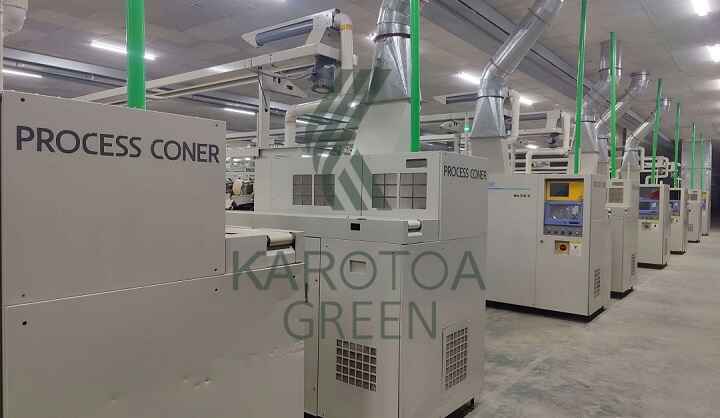
Key Strengths:
- Advanced spinning technology for precision and consistency
- High production capacity to meet large-scale demand
- Consistent export-quality yarn for global buyers
- Sustainable manufacturing practices aligned with industry standards
- Reliable bulk supply capability with timely delivery
These strengths position Karotoa as a dependable yarn manufacturer in Bangladesh, trusted by textile producers and international sourcing partners alike. By combining innovation with operational efficiency, the mill continues to build long-term partnerships in the global textile supply chain.
A Future-Ready Spinning Mill
The textile industry is evolving rapidly, driven by innovation, sustainability, and shifting global demand. Karotoa Spinning Mills Ltd is well-positioned to meet these challenges through continuous investment in advanced technology and operational excellence.
As a forward-thinking spinning mill in Bangladesh, Karotoa is focused on building a future-ready production system that combines automation, efficiency, and sustainable manufacturing practices. This approach ensures adaptability in a competitive global textile market.
By prioritizing advanced machinery, smart manufacturing systems, strict quality assurance, and eco-friendly production methods, the mill reflects the next generation of yarn manufacturing in Bangladesh—where performance and responsibility go hand in hand.
People Also Ask
What is a spinning mill and how does it work?
A spinning mill is a textile manufacturing facility where raw cotton fibers are processed into yarn. The process includes ginning, carding, drawing, and spinning, ensuring fiber alignment and strength for high-quality yarn production.
What are the key machines used in a modern spinning mill?
Modern spinning mills use advanced machinery such as:
- Blow room machines
- Carding machines
- Drawing frames
- Ring spinning machines
- Compact spinning systems
These machines ensure efficient production and consistent yarn quality.
Why is advanced machinery important in spinning mills?
Advanced machinery improves yarn consistency, reduces defects, increases production efficiency, and minimizes operational downtime. It also helps meet international quality standards required for export markets.
What is the production capacity of a modern spinning mill?
Production capacity depends on the number of spindles and machinery efficiency. High-capacity spinning mills like Karotoa Spinning Mills Ltd are designed to handle bulk yarn production while maintaining consistent quality.
How does automation improve yarn production?
Automation allows real-time monitoring, reduces human error, improves efficiency, and ensures consistent yarn quality. It also helps minimize waste and optimize resource utilization.
What is the role of quality control in spinning mills?
Quality control ensures that yarn meets required standards for strength, uniformity, and durability. It includes laboratory testing, fiber inspection, and real-time monitoring systems.
How do spinning mills ensure sustainability?
Spinning mills ensure sustainability by using energy-efficient machinery, reducing waste, optimizing raw materials, and adopting eco-friendly production practices.
Why choose a modern spinning mill in Bangladesh?
Modern spinning mills in Bangladesh offer advanced technology, competitive pricing, export-quality yarn, and strong compliance with global standards, making them ideal for international buyers.
Conclusion
Karotoa Spinning Mills Ltd is more than just a production facility—it represents the evolution of modern textile manufacturing in Bangladesh. With advanced spinning technology, high production capacity, and a strong commitment to quality, the mill continues to play a vital role in supporting both local and global textile supply chains.
As demand grows for high-quality, sustainably produced yarn, manufacturers must adapt to changing industry standards. Karotoa meets this challenge by combining innovation, operational efficiency, and responsible production practices—ensuring consistent performance and reliability for global buyers.
This approach reflects the broader transformation of the industry, as seen in Water Recycling and Energy Efficiency in Modern Spinning Mills, where sustainability and efficiency are becoming key drivers of growth.
