

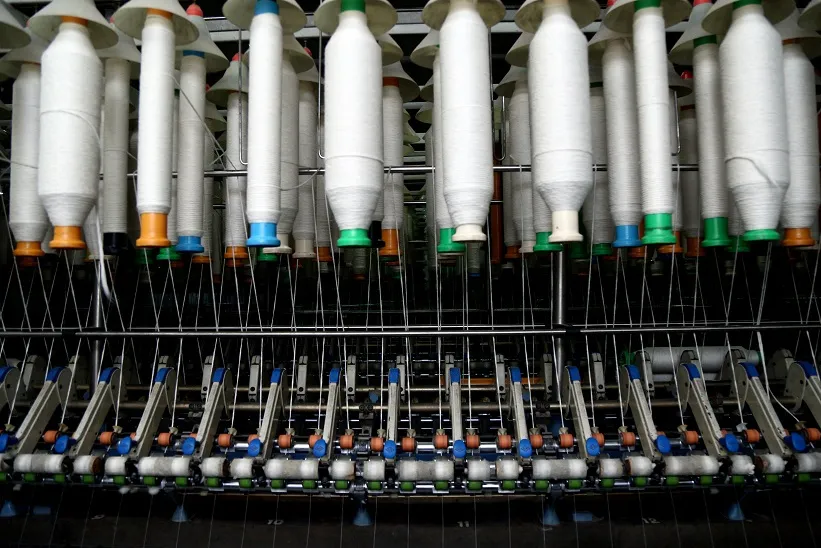
Bangladesh has established itself as one of the world’s leading textile manufacturing hubs and an important supplier of yarn to apparel manufacturers, exporters, sourcing companies, and textile producers worldwide.
The country’s spinning sector offers access to competitive production costs, large-scale manufacturing capacity, and an increasingly sophisticated textile ecosystem. Today, Bangladesh produces a wide range of yarns, including cotton, polyester, blended, recycled, and melange yarns, for both domestic and international markets.
For buyers, however, successful yarn sourcing requires much more than finding a competitive price. Supplier qualification, quality verification, compliance management, production planning, and logistics coordination all play important roles in achieving consistent results.
Understanding the mistakes to avoid when buying yarn from Bangladesh can help buyers plan more effectively and reduce sourcing risks. This guide highlights ten common mistakes buyers make when purchasing yarn from Bangladesh and provides practical recommendations to help reduce risk and improve sourcing outcomes.
If you are evaluating Bangladesh as a sourcing destination for the first time, we recommend reviewing our comprehensive guide to buying yarn from Bangladesh before exploring the sourcing risks covered in this article.
Why Bangladesh Is a Leading Yarn Sourcing Destination
Bangladesh has developed one of the largest textile manufacturing ecosystems in the world. Supported by an extensive network of spinning mills, fabric manufacturers, dyeing facilities, and garment exporters, the country plays a significant role in the global textile supply chain.
Key advantages of sourcing yarn from Bangladesh include:
- Large-scale manufacturing capacity
- Competitive production costs
- Strong export infrastructure
- Access to international testing and certification services
- Growing sustainability initiatives
- Extensive textile manufacturing expertise
Bangladesh supplies a broad range of yarn products for knitting, weaving, denim, home textiles, and specialty applications. Among these, melange yarn has gained increasing popularity for fashion, activewear, and premium knitwear applications due to its distinctive appearance and design versatility.
While the country’s manufacturing capabilities create substantial opportunities for buyers, supplier selection and sourcing strategy remain critical to long-term success.
Mistake 1: Not Confirming Whether Your Supplier Is a Manufacturer or an Intermediary
One of the most important steps in supplier qualification is understanding who actually manufactures the yarn.
Bangladesh’s textile supply chain includes spinning mills, traders, sourcing companies, buying houses, and export intermediaries. While each can play a legitimate role, buyers should understand which party controls production.
A manufacturing mill typically manages:
- Raw material sourcing
- Production scheduling
- Quality-control processes
- Technical specifications
- Production capacity
Before placing an order:
- Verify manufacturing capabilities
- Review production capacity
- Request information on quality-control procedures
- Confirm available certifications
- Understand who will be responsible for production and delivery
Knowing who controls manufacturing helps improve accountability and transparency.
Mistake 2: Approving Samples Without Technical Testing
Visual inspection alone is not enough when evaluating yarn quality.
A yarn sample may appear acceptable while still containing technical variations that affect knitting performance, weaving efficiency, dye uptake, or fabric quality.
Important parameters to verify include:
- Yarn count
- Twist level
- Tensile strength
- Elongation
- Moisture content
- Evenness characteristics
For large-volume purchases, laboratory testing can provide objective verification before production begins.
Investing in testing early often costs less than resolving quality issues later.
Mistake 3: Ignoring Certification and Compliance Requirements
Global textile markets increasingly require documentation related to product safety, sustainability, and supply-chain traceability.
Depending on the destination market, buyers may require certifications such as:
- OEKO-TEX® Standard 100
- Global Organic Textile Standard (GOTS)
- Better Cotton participation
- Bluesign® certification
- Traceability documentation
Buyers should verify that certifications are current, valid, and applicable to the specific products being purchased.
For specialty yarn categories such as melange yarn, buyers may also need to verify sourcing information for raw materials, recycled content claims, environmental standards, and other customer-specific compliance requirements, depending on the intended end use and destination market.
Failing to review compliance requirements before production begins can lead to delays, additional costs, and supply-chain complications.
Mistake 4: Negotiating Price Before Finalizing Specifications
Price comparisons are only meaningful when suppliers are quoting the same product.
Important specifications may include:
- Fiber composition
- Yarn count
- Twist direction
- Package format
- Cone weight
- Dyeing status
- Delivery terms
A recommended sourcing process is:
- Define technical specifications.
- Request quotations.
- Compare supplier proposals.
- Negotiate pricing and commercial terms.
This process allows buyers to evaluate suppliers more accurately and avoid misunderstandings.
Mistake 5: Misunderstanding Minimum Order Quantity (MOQ) Requirements
Many spinning mills structure pricing according to production volume.
Buyers often focus on their first shipment without understanding how MOQ requirements may affect future orders.
Before confirming a supplier, request:
- MOQ details
- Volume-based pricing structures
- Production planning requirements
- Long-term supply options
Understanding MOQ expectations helps buyers plan more effectively and avoid unexpected pricing changes.
Mistake 6: Skipping Pre-Shipment Inspection
Pre-shipment inspection remains one of the most effective tools available for managing quality risk.
An inspection can help verify:
- Product specifications
- Packaging quality
- Label accuracy
- Weight consistency
- Shipment condition
Independent inspection services provide an additional layer of verification before goods leave the manufacturing facility.
For many buyers, inspection costs represent a small investment compared to the potential cost of shipment disputes.
Mistake 7: Underestimating Logistics and Port Delays
Manufacturing completion does not guarantee on-time delivery.
Shipping timelines may be affected by:
- Port congestion
- Vessel availability
- Customs procedures
- Documentation issues
- Seasonal shipping demand
Buyers should incorporate reasonable lead-time buffers into production schedules and maintain communication with logistics providers throughout the shipping process.
Realistic planning helps reduce disruption across the supply chain.
Mistake 8: Failing to Define Shade-Lot Requirements
For dyed yarn applications, color consistency is often critical.
Without clear instructions, shipments may contain multiple dye lots that appear similar but perform differently during production.
Buyers should establish:
- Shade approval procedures
- Lab-dip approval requirements
- Acceptable color tolerances
- Single-lot requirements when necessary
Clearly defined expectations help reduce downstream quality concerns.
Mistake 9: Relying Exclusively on Email Communication
Documentation is essential, but effective sourcing often requires ongoing communication throughout production.
Best practices include:
- Dedicated points of contact
- Scheduled production updates
- Milestone reviews
- Logistics coordination
Consistent communication can help identify issues before they become larger operational challenges.
Mistake 10: Comparing Suppliers Solely by Price
The lowest quotation is not always the best sourcing decision.
Price differences may reflect variations in:
- Raw material quality
- Manufacturing processes
- Testing procedures
- Certifications
- Quality-control standards
- Technical support
- Traceability systems
Buyers should evaluate suppliers using a balanced scorecard that considers:
- Quality
- Reliability
- Compliance
- Service
- Communication
- Commercial competitiveness
Long-term sourcing success depends on overall value rather than price alone.
Three Warning Signs Buyers Often Miss
Many supplier qualification processes focus heavily on pricing and certifications. However, experienced buyers also pay attention to operational indicators.
Inconsistent Technical Responses
Suppliers should be able to clearly explain yarn specifications, testing methods, and production capabilities. Vague or inconsistent answers may indicate limited technical oversight.
Unclear Production Capacity Information
Reliable manufacturers typically provide realistic information regarding production schedules, capacity, and lead times.
Limited Quality Documentation
Quality-focused suppliers generally maintain documented testing and inspection procedures. Understanding how quality is measured provides valuable insight into manufacturing consistency.
Yarn Supplier Qualification Checklist
Before placing an order, buyers should confirm:
✓ Supplier identity and manufacturing status
✓ Production capability verification
✓ Technical specification approval
✓ Sample testing completion
✓ Certification validation
✓ MOQ confirmation
✓ Pre-shipment inspection arrangements
✓ Logistics planning
✓ Communication procedures
✓ Supplier evaluation beyond pricing
A structured qualification process helps reduce sourcing risks and supports stronger supplier relationships.
Frequently Asked Questions
What is the typical MOQ for yarn from Bangladesh?
MOQ requirements vary depending on yarn type, specifications, production planning, and supplier capabilities. Buyers should discuss MOQ expectations directly with suppliers.
How long does yarn production take?
Lead times depend on product specifications, production schedules, order volume, and logistics conditions. Additional time should be allowed for shipping and customs procedures.
How can buyers verify a supplier?
Supplier verification may include reviewing factory information, production capabilities, certifications, quality-control systems, references, and independent audits.
What certifications are commonly required?
Requirements vary by market and customer expectations. Common certifications include OEKO-TEX®, GOTS, Better Cotton participation, and other sustainability or traceability-related programs.
Key Takeaways
- Verify whether the supplier is a manufacturer or intermediary.
- Confirm specifications before discussing price.
- Conduct testing before production when appropriate.
- Review compliance and certification requirements carefully.
- Plan for logistics risks and realistic lead times.
- Use inspections to reduce quality disputes.
- Evaluate suppliers based on quality, reliability, compliance, and service—not price alone.
About Karotoa Green Spinning Mills Ltd
Karotoa Green Spinning Mills Ltd is a Bangladesh-based spinning mill focused on manufacturing quality yarn solutions for domestic and international textile markets.
The company produces a range of yarn products, including melange yarn, and operates with a commitment to quality management, responsible manufacturing practices, and continuous improvement.
By combining modern production capabilities with internationally recognized certification standards, Karotoa Green supports textile manufacturers, sourcing companies, exporters, and apparel producers seeking reliable yarn sourcing solutions from Bangladesh.
For buyers evaluating yarn sourcing opportunities, understanding supplier capabilities, quality systems, certification requirements, and production processes can contribute to stronger long-term sourcing outcomes.
