

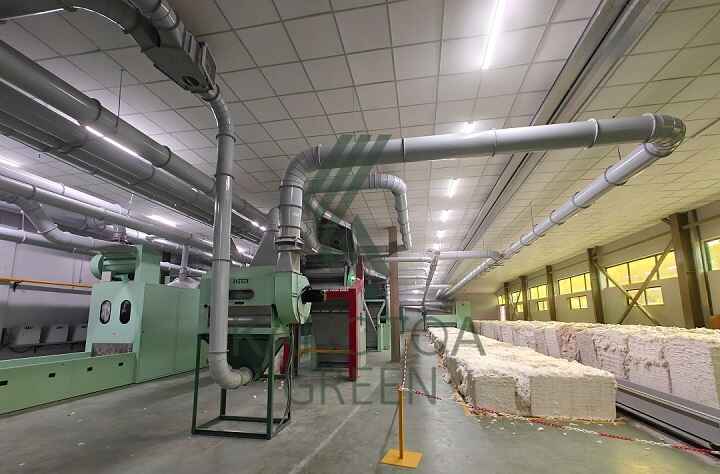
Water may not be the first thing that comes to mind when thinking about spinning mills, but it plays a quiet yet essential role in daily operations.
From maintaining proper humidity levels to supporting cleaning and cooling systems, water is used at multiple stages of the spinning process. When managed well, it helps ensure smooth production and consistent yarn quality. When not, it can lead to unnecessary waste, higher operational costs, and environmental concerns.
Today, with increasing pressure from global buyers and stricter environmental standards, water management in spinning mills has become a key priority for sustainable textile manufacturing.
This guide explores how water is used, the challenges mills face, and practical ways to manage it more efficiently.
Why Water Management Matters in the Spinning Industry
Water is no longer just a basic resource—it has become a strategic asset in modern spinning mills.
Across the textile industry, water use is significant. It is estimated that textile production consumes around 79 billion cubic meters of water annually worldwide, placing increasing pressure on freshwater resources. While spinning uses less water than processes like dyeing, inefficient systems can still lead to unnecessary waste and higher costs.
Today, mills are under growing pressure to:
- Reduce environmental impact
- Improve operational efficiency
- Meet regulatory and compliance standards
- Control rising utility and production costs
Poor water management can result in:
- Higher utility bills
- Wastewater treatment challenges
- Production inefficiencies
In contrast, efficient water management offers clear advantages:
- Lower operating costs through reduced consumption
- Improved sustainability performance aligned with global standards
- Stronger trust with international buyers focused on responsible sourcing
In a competitive textile market, where sustainability is increasingly linked to business success, managing water efficiently is no longer optional—it is essential.
Overview of Water Usage in Spinning Mills
To manage water effectively, it’s important to understand where and how it is used within the spinning process. While water consumption in spinning is lower than in dyeing or finishing, it still plays a vital role in maintaining smooth and efficient operations.
Humidification Systems
Spinning requires controlled humidity to keep fibers flexible and reduce breakage during processing. Maintaining the right moisture level is essential for yarn quality and is often the largest area of water use in a spinning mill.
Cleaning Processes
Water is regularly used to clean machinery, floors, and working environments. Proper cleaning helps maintain efficiency, reduces contamination, and supports consistent production quality.
Cooling Systems
Certain machines generate heat during operation and require cooling to function properly. Water-based cooling systems help maintain stable temperatures and prevent performance issues.
Wastewater Generation
After use, water turns into wastewater. This must be properly treated before discharge or reused within the system to meet environmental standards and reduce resource consumption.
Although each of these uses may seem small on its own, together they create a significant overall water demand. Understanding these areas is the first step toward improving water efficiency in spinning mills.
Key Challenges in Water Management
Many spinning mills face common challenges when it comes to managing water efficiently. As operations scale and systems age, these issues can become more noticeable and costly if not addressed properly.
Excess Water Consumption
Older systems—especially in humidification—often use more water than necessary. In some mills, inefficient setups can increase water use by 20–30% compared to optimized systems, leading to higher operating costs.
Inefficient Equipment
Outdated machinery often lacks precision control. Studies show that modern, energy- and water-efficient equipment can reduce resource consumption by 15–25%, making upgrades a key factor in improving sustainability.
Water Pollution
Improper wastewater management is a major concern. Globally, the textile industry is responsible for around 20% of industrial water pollution, mainly due to untreated or poorly treated discharge. Even though spinning generates less pollution than dyeing, improper handling still creates compliance risks.
Lack of Monitoring
Without proper monitoring systems, mills struggle to track water usage. Research indicates that facilities using digital monitoring and control systems can reduce water waste by up to 10–15% through better visibility and process adjustments.
These challenges highlight the need for a structured and proactive approach to water management—combining modern technology, proper monitoring, and efficient operational practices.
Core Components of a Water Management System
Effective water management is not a single action—it’s a coordinated system made up of several key components working together. When properly integrated, these elements help reduce waste, improve efficiency, and support sustainable textile production.
Water Supply Management
This involves controlling how water is sourced, stored, and distributed across the mill. Proper planning ensures that water is used efficiently in every department, reducing unnecessary consumption.
Water Recycling Systems
Reusing treated water is one of the most effective ways to conserve resources. Many modern mills can reduce freshwater intake by 30–50% through recycling systems, lowering both environmental impact and operational costs.
Wastewater Treatment (ETP)
Effluent Treatment Plants (ETP) are essential for treating wastewater before it is discharged or reused. Properly managed ETP systems help mills meet environmental regulations and reduce pollution risks.
Monitoring and Control Systems
Tracking water usage through digital monitoring systems allows mills to identify inefficiencies and optimize consumption. Facilities with real-time monitoring can improve water efficiency by 10–15% through better control and decision-making.
Together, these components form a complete water management system—one that supports both operational performance and environmental responsibility.
Water Recycling and Reuse in Textile Mills
Recycling and reuse are among the most effective ways to improve water efficiency in textile mills. By reusing water at different stages of the process, mills can significantly reduce freshwater consumption and lower operational costs.
Cooling Water Reuse
Water used in cooling systems can be treated and circulated back into the system instead of being discharged. In many cases, closed-loop cooling can reduce water use by up to 70–80%, making it one of the most efficient reuse methods.
RO Reject Water Utilization
Reverse osmosis (RO) systems generate reject water, which is often wasted. This water can be reused for cleaning, floor washing, or other utility purposes, helping reduce overall water demand.
Condensate Recovery
Steam systems produce condensate that can be collected and reused. Recovering condensate not only saves water but also reduces energy consumption, as the recovered water is already heated.
These recycling methods can help mills reduce freshwater intake by 30–50%, improving both sustainability and cost efficiency. When implemented together, they create a more resource-efficient and environmentally responsible production system.
How to Reduce Water Consumption in Spinning Mills
Reducing water consumption is a key part of effective water management in spinning mills. Even small improvements can lead to meaningful savings over time—both in operational costs and environmental impact.
Practical Steps Include:
- Upgrading humidification systems to more efficient and controlled setups
- Fixing leaks and improving maintenance to prevent unnecessary water loss
- Training workers on water-saving practices and daily awareness
- Monitoring usage in real time to identify inefficiencies and optimize consumption
These steps not only reduce water use but also improve overall efficiency and sustainability performance.
For those looking to go deeper, a more detailed approach is outlined in How to Reduce Water Consumption in Spinning Mills: Practical Steps That Actually Work, where each method is explained with practical insights.
Solutions for Textile Water Pollution
Managing water in textile mills is not just about reducing consumption—it also means handling wastewater responsibly. Proper treatment and control are essential to minimize environmental impact and meet regulatory standards.
Effluent Treatment Plants (ETP)
Effluent Treatment Plants (ETP) play a critical role in removing harmful substances from wastewater. A well-managed ETP can significantly reduce pollutants, making water safe for discharge or even reuse within the system.
Chemical Management
Reducing the use of chemicals in processes helps lower pollution at the source. It also makes wastewater treatment more efficient and cost-effective.
Safe Disposal Practices
Proper handling and disposal of treated water ensure compliance with environmental regulations and help protect surrounding ecosystems from contamination.
By combining these approaches, spinning mills can manage water more responsibly—reducing environmental risks while supporting sustainable textile production.
Water Efficiency in Yarn Production
Water efficiency is closely connected to overall production efficiency. When processes are optimized, mills can reduce water usage without affecting output or quality.
In yarn production, even small improvements in operations can lead to noticeable savings in both water and cost.
Key Approaches Include:
- Optimizing machine settings to ensure stable and efficient performance
- Reducing reprocessing by maintaining consistent yarn quality
- Using better-quality raw materials to minimize waste and production issues
When production runs smoothly, resource use becomes more controlled and efficient. This not only reduces water consumption but also improves overall operational performance.
Smart Water Management Technologies
Modern spinning mills are increasingly adopting digital solutions to manage water more efficiently. These technologies provide better visibility, control, and decision-making across operations.
IoT-Based Monitoring
Sensors installed across different departments track water usage in real time. This helps identify areas of high consumption and detect leaks or inefficiencies quickly. In many cases, IoT-based systems can help reduce water waste by 10–20% through better monitoring.
AI-Driven Systems
Advanced systems analyze collected data and automatically identify patterns or inefficiencies. This allows mills to optimize water usage without constant manual intervention.
Real-Time Dashboards
Digital dashboards provide instant insights into water consumption. Managers can monitor usage, compare performance across departments, and take corrective actions when needed.
By integrating these technologies, spinning mills can move toward smarter, data-driven operations—improving efficiency, reducing waste, and supporting sustainable textile manufacturing.
Environmental and Business Benefits
Effective water management delivers clear advantages for both the environment and business performance. By using water more efficiently, spinning mills can reduce costs while strengthening their position in the global market.
Cost Reduction
Lower water consumption directly reduces utility and wastewater treatment costs. In many cases, optimized systems can cut water-related expenses by 15–30%, improving overall profitability.
Sustainability Compliance
Efficient water management helps mills meet environmental regulations and international standards more easily, reducing compliance risks and operational challenges.
Buyer Confidence
Global buyers increasingly prefer suppliers that follow responsible manufacturing practices. Strong water management builds trust and improves long-term business relationships.
Resource Security
Reducing dependence on external water sources helps ensure long-term operational stability, especially in regions facing water scarcity.
By aligning operational efficiency with environmental responsibility, spinning mills can create a more sustainable and resilient production model.
Role of Sustainable Spinning Mills
Across the textile industry, leading spinning mills are moving toward more responsible and efficient operations. By focusing on both performance and sustainability, they are helping shape a more future-ready manufacturing environment.
At Karotoa Green Spinning Mills Ltd, this approach is reflected through:
- Efficient production systems designed to reduce resource consumption
- Responsible water and energy management practices
- Continuous improvement through modern technology and process optimization
By combining advanced machinery with practical, sustainable strategies, spinning mills can reduce water waste while maintaining consistent, high-quality yarn production. This balanced approach supports both operational efficiency and long-term environmental responsibility.
The Future of Water Management in the Spinning Industry
The future of spinning mills is closely linked to sustainability and smarter resource management. As environmental standards tighten and global expectations evolve, water management is becoming a key focus area for long-term success.
Key Trends Include:
- Smart water monitoring systems that provide real-time visibility into usage
- Automated resource management to improve efficiency and reduce waste
- Circular water usage models that promote recycling and reuse
- Data-driven decision-making for continuous process improvement
Mills that adopt these technologies and practices early will be better prepared to handle future challenges—whether related to resource availability, regulatory compliance, or global buyer expectations.
By moving toward more efficient and intelligent water management systems, the spinning industry can build a more sustainable and resilient future.
Conclusion
Water management in spinning mills is no longer optional—it’s essential for both sustainability and long-term business performance.
By understanding where water is used, addressing inefficiencies, and adopting modern solutions, mills can significantly reduce consumption and environmental impact. Even simple steps—like fixing leaks, reusing water, and monitoring usage—can deliver meaningful results over time.
When these efforts are combined with advanced technologies and smarter systems, they lead to greater efficiency, lower costs, and improved sustainability performance.
In today’s textile industry, success depends on how wisely resources are managed. The path forward is clear: manage water efficiently, reduce waste, and build a more sustainable future for spinning mills.
FAQ
What is water management in spinning mills?
Water management in spinning mills refers to the systematic control of water usage, recycling, and wastewater treatment to improve operational efficiency and support sustainable production.
How can spinning mills improve water efficiency?
Spinning mills can improve water efficiency by adopting modern humidification systems, implementing water recycling methods, repairing leaks, and using real-time monitoring technologies. These steps help reduce water waste, lower costs, and support sustainable production.
What is the role of ETP in textile mills?
The role of an Effluent Treatment Plant (ETP) in textile mills is to clean and treat wastewater by removing chemicals, contaminants, and pollutants. This helps protect the environment, meet regulatory standards, and support sustainable manufacturing practices.
Why is water management important in the textile industry?
Water management in the textile industry helps control resource usage, lower treatment and utility costs, meet regulatory requirements, and reduce environmental impact—making production more efficient and sustainable.
How much water can be saved with proper management?
With effective water management strategies, spinning mills can typically reduce water usage by 10–30% or more, depending on system efficiency and operational practices.
