

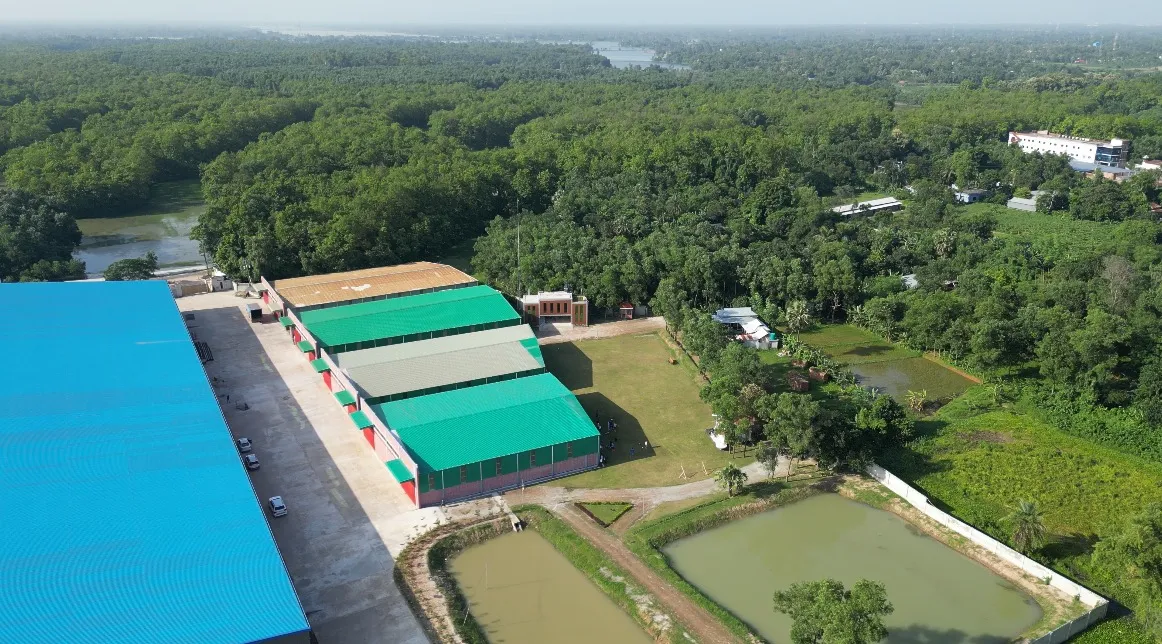
Bangladesh has become one of the world’s leading textile producers, with the sector contributing over 80% of export earnings and employing millions. As the industry grows, the focus is shifting from volume to sustainability, efficiency, and responsible manufacturing.
This change is being driven by the rise of sustainable spinning mills in Bangladesh, where modern technologies, energy-efficient machinery, and better resource management are improving yarn production.
At the same time, global buyers are demanding more eco-friendly sourcing. With the textile industry responsible for around 8–10% of global carbon emissions, manufacturers are moving toward cleaner and more transparent production systems.
As a result, sustainable textile manufacturing in Bangladesh is not just improving processes—it is transforming the industry into a more competitive and future-ready sector.
Why Sustainability Matters in Textile Manufacturing

Bangladesh is a leading global textile producer, playing a key role in international supply chains. As demand for eco-friendly products grows, sustainability is no longer optional—it’s essential for long-term success.
Today, manufacturers face increasing pressure to reduce environmental impact while maintaining quality and efficiency. Energy use, water consumption, and waste management are now key performance factors.
This shift has put spinning mills at the center of change. As the starting point of the textile value chain, they play a crucial role in improving how sustainably yarn—and ultimately fabrics—are produced.
The Role of Spinning Mills in the Textile Value Chain
Spinning mills form the foundation of the textile industry, acting as the critical link between raw materials and finished products. They convert raw cotton and other fibers into yarn, which is then used to produce fabrics and garments for global markets.
Given that Bangladesh produces millions of tons of yarn annually to support both domestic and export-oriented industries, the efficiency and sustainability of spinning operations directly impact the entire textile value chain.
Any improvement at this stage—whether in energy use, waste reduction, or process optimization—can significantly influence downstream production. This is why spinning mills are increasingly seen as a key starting point for sustainable transformation.
From fiber selection to yarn production, spinning mills shape:
- Product quality and consistency across textile processes
- Resource efficiency, including energy and raw material use
- Environmental footprint throughout the supply chain
By improving practices at this early stage, manufacturers can create a ripple effect—enhancing performance, reducing impact, and supporting more sustainable textile production overall.
Key Sustainable Practices in Modern Spinning Mills
Modern spinning mills in Bangladesh are increasingly adopting advanced technologies and smarter production methods to reduce environmental impact while maintaining efficiency and quality. As global demand shifts toward responsible sourcing, these practices are becoming essential across the industry.
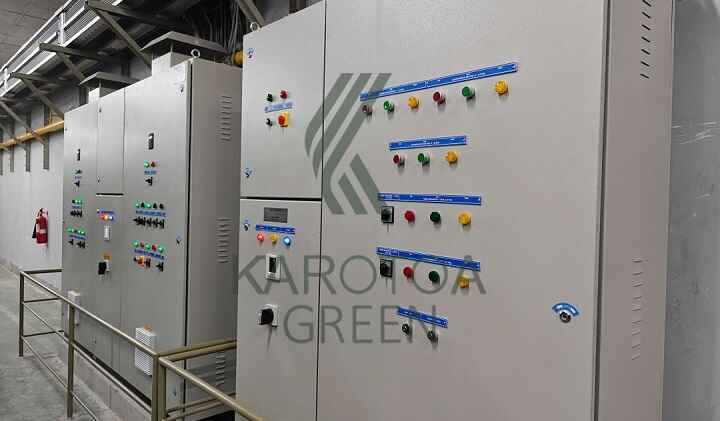
1. Energy-Efficient Machinery
New-generation spinning machines are designed to consume less electricity while delivering higher output. In an industry where energy can account for a significant share of production costs, improving efficiency not only reduces operational expenses but also lowers carbon emissions.
2. Waste Reduction Techniques
Better fiber utilization and recycling systems help minimize material loss during production. By recovering and reusing waste fibers, mills can improve yield and reduce the overall environmental footprint.
3. Water Conservation
Although spinning uses less water than processes like dyeing, responsible mills still focus on conservation. Many are introducing water-saving measures and recycling systems to reduce dependency on freshwater resources.
4. Sustainable Raw Materials
The use of responsibly sourced cotton and improved fiber management practices supports both environmental goals and product quality. Choosing better raw materials at the start helps reduce impact throughout the entire production cycle.
5. Automation and Smart Technology
Automation and data-driven systems allow mills to monitor production in real time, maintain consistency, and reduce errors. These technologies not only improve efficiency but also enable more controlled, sustainable manufacturing processes.
Benefits of Sustainable Yarn Production
Sustainable yarn production is not only about reducing environmental impact—it also delivers clear long-term business advantages. As global buyers place more emphasis on responsible sourcing, mills that adopt sustainable practices are better positioned to compete and grow.
Key Benefits Include:
- Improved product quality and consistency
- Better process control and high-quality raw materials lead to more uniform yarn, reducing defects in downstream production.
- Lower production costs through efficiency
- Energy-efficient machinery and optimized resource use help reduce operational costs over time—especially important in energy-intensive spinning operations.
- Stronger global market positioning
- Sustainability has become a key factor for international brands. Mills that meet these expectations gain a competitive edge in export markets.
- Compliance with international buyer requirements
- Many global buyers now require adherence to environmental and social standards, including certifications and responsible sourcing practices.
- Reduced environmental impact
- Lower energy use, less waste, and better resource management contribute to a smaller overall footprint—supporting long-term industry sustainability.
By aligning business performance with environmental responsibility, energy-efficient spinning mills in Bangladesh are creating value that goes beyond production—strengthening both profitability and global trust.
Challenges in Implementing Sustainability
While the benefits of sustainable production are clear, putting these practices into action is not always straightforward. Many spinning mills—especially smaller or older facilities—face practical and financial barriers when upgrading their systems.
Key Challenges Include:
- High initial investment in modern machinery
- Energy-efficient and automated equipment can require significant upfront capital, which may be difficult for some mills to manage.
- Need for a skilled workforce.
- Advanced systems depend on trained operators and technicians, making workforce development an essential part of the transition.
- Limited awareness in smaller mills
- Not all manufacturers have access to the latest information, training, or resources related to sustainable textile production.
- Integration of new technologies into existing systems
- Upgrading production lines without disrupting operations can be complex, especially in older setups.
Despite these challenges, many mills are making steady progress. With the right planning, investment, and long-term commitment, sustainable transformation is both achievable and increasingly necessary to remain competitive in the global textile market.
Future of Sustainable Textile Manufacturing in Bangladesh
The future of Bangladesh’s textile industry is closely tied to sustainability. As global buyers and brands place greater emphasis on environmentally responsible sourcing, manufacturers are expected to meet higher standards in both production and transparency.
With the country’s textile sector contributing over 80% of export earnings, maintaining competitiveness now depends not only on scale, but also on how efficiently and responsibly production is managed. (Bangladesh RMG & Textile Sector Analysis, 2026)
Spinning mills that invest in green technology, workforce development, and optimized production systems will be better positioned to lead this transformation. From energy-efficient machinery to smarter resource management, these changes are shaping a more resilient and future-ready industry.
Companies like Karotoa Green Spinning Mills Ltd are already moving in this direction—combining advanced technology with eco-friendly manufacturing to produce high-quality yarn while reducing environmental impact.
As sustainability becomes a defining factor in global trade, Bangladesh’s ability to adapt and innovate will determine its long-term success in the textile industry.
Conclusion
Sustainable spinning mills are reshaping Bangladesh’s textile industry by improving efficiency, reducing waste, and adopting environmentally friendly processes. As sustainability becomes a global standard, their role in the value chain will continue to grow.
By investing in innovation and responsible production, these mills are not only meeting global expectations but also strengthening long-term competitiveness. This shift is helping build a more sustainable and future-ready textile sector in Bangladesh.
