

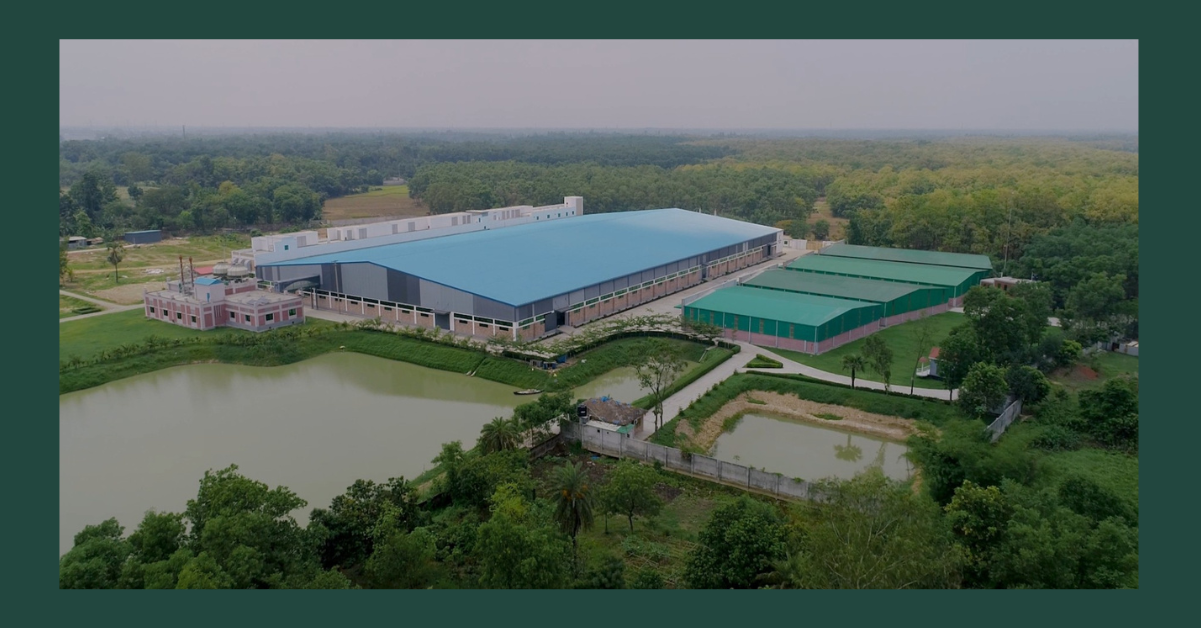
Every piece of fabric begins with yarn, and every quality yarn begins in a spinning mill. Whether it becomes a T-shirt, denim, bed sheet, towel, or sportswear, the yarn must first be carefully manufactured from raw fibers before it reaches knitting or weaving machines.
If you’ve ever wondered what a spinning mill is, this guide explains the entire process in simple terms. You’ll learn how raw cotton becomes yarn, the machinery involved, the different types of spinning mills, and why spinning is one of the most important stages in textile manufacturing.
What Is a Spinning Mill?
A spinning mill is a textile manufacturing facility where natural or synthetic fibers are converted into yarn. The yarn produced is supplied to knitting, weaving, and textile manufacturers for the production of fabrics and finished products.
A cotton spinning mill mainly processes cotton fibers through a sequence of cleaning, aligning, drafting, twisting, and winding operations. Each production stage improves fiber quality until it becomes a strong, uniform yarn suitable for textile manufacturing.
Modern spinning mills produce many yarn varieties, including:
- Carded cotton yarn
- Combed cotton yarn
- Compact yarn
- Melange yarn
- Slub yarn
- Cotton blends
- Specialty yarns
The quality of this yarn directly influences the appearance, durability, and performance of the finished fabric.
Why Spinning Mills Matter
Spinning mills are the foundation of the textile supply chain. Without yarn, there can be no fabric production.
A typical textile supply chain follows this order:
- Cotton cultivation
- Cotton ginning
- Fiber preparation
- Spinning mill
- Knitting or weaving
- Dyeing and finishing
- Garment manufacturing
- Export and retail
Poor-quality yarn can cause:
- Frequent yarn breaks
- Fabric defects
- Uneven dyeing
- Higher production waste
- Lower garment quality
Consistent yarn helps textile manufacturers improve productivity while producing fabrics that meet customer expectations.
How a Spinning Mill Works
Although modern spinning mills use advanced machinery, the basic manufacturing principle remains the same: convert loose fibers into continuous yarn.
The process involves several connected production departments, each preparing the fibers for the next stage.
The goal is to produce yarn with:
- Uniform thickness
- Good strength
- Low hairiness
- Excellent evenness
- Reliable knitting and weaving performance
Complete Yarn Manufacturing Process
1. Raw Cotton Selection
Everything starts with selecting suitable cotton.
Manufacturers evaluate:
- Staple length
- Fiber strength
- Micronaire
- Uniformity
- Moisture
- Cleanliness
Many mills blend cotton from different origins to achieve consistent quality.
2. Blow Room
Compressed cotton bales are opened and cleaned.
This stage:
- Removes dust
- Eliminates large impurities
- Mixes different cotton lots
- Creates uniform fiber blending
Proper blending improves yarn consistency throughout production.
3. Carding
Carding is often described as the heart of spinning.
It:
- Separates fibers
- Removes remaining impurities
- Aligns fibers
- Produces a continuous sliver
Well-carded fibers create stronger and more uniform yarn.
4. Drawing
Several slivers are combined and drafted together.
Drawing improves:
- Fiber alignment
- Weight consistency
- Sliver uniformity
Many modern mills use auto-leveler systems to maintain consistent quality.
5. Combing (Optional)
Premium yarn passes through combing.
This removes:
- Short fibers
- Neps
- Remaining impurities
Combed yarn offers:
- Better softness
- Higher strength
- Improved appearance
- Lower hairiness
6. Simplex (Roving)
The sliver is reduced into a finer strand called roving and receives a slight twist before final spinning.
7. Ring or Compact Spinning
The roving enters the spinning frame, where fibers are drafted and twisted into yarn.
Ring spinning is widely used because it produces versatile, high-quality yarn.
Compact spinning provides:
- Better strength
- Improved abrasion resistance
- Cleaner fabric appearance
8. Winding
Finished yarn is wound onto cones.
Automatic winding machines also remove yarn faults, ensuring better performance during knitting and weaving.
Machinery Used in a Cotton Spinning Mill
Modern spinning mills use specialized equipment for every production stage.
| Department | Main Machinery |
| Blow Room | Bale opener, cleaner, mixer |
| Carding | Carding machine |
| Drawing | Draw frame |
| Combing | Comber |
| Simplex | Speed frame |
| Spinning | Ring frame or compact frame |
| Winding | Automatic cone winder |
| Laboratory | Yarn testing instruments |
Regular maintenance and calibration are essential for consistent production.
Types of Spinning Mills
Cotton Spinning Mill
Produces yarn from natural cotton fibers for knitting and weaving.
Synthetic Spinning Mill
Processes fibers such as polyester, nylon, and acrylic.
Blended Yarn Mill
Manufactures yarn by combining two or more fibers, such as cotton and polyester.
Melange Spinning Mill
Produces melange yarn by blending dyed and undyed fibers before spinning, creating the characteristic heather appearance used in fashion apparel.
Quality Control in Yarn Manufacturing
Quality control is integrated throughout the manufacturing process rather than performed only at the end.
Typical laboratory tests include:
- Yarn count
- Yarn strength
- Evenness
- Twist
- Hairiness
- Thick places
- Thin places
- Neps
- Moisture content
Maintaining strict quality standards helps ensure each production lot meets customer specifications.
Benefits of Modern Spinning Mills
Modern technology has improved yarn manufacturing in several ways.
Better Quality
Automation helps maintain consistent yarn count and strength.
Higher Productivity
Advanced machinery increases production efficiency while reducing waste.
Improved Process Control
Digital monitoring allows operators to identify quality issues before they become significant problems.
Product Flexibility
Modern mills can manufacture multiple yarn types for different textile applications.
Greater Sustainability
Energy-efficient equipment and responsible resource management help reduce environmental impact.
Common Challenges in Yarn Manufacturing
Despite technological advances, spinning remains a precision process.
Common challenges include:
- Variations in cotton quality
- Machine wear
- Temperature and humidity changes
- Waste management
- Maintaining consistent production
- Meeting different customer specifications
Experienced technical teams and disciplined quality management help overcome these challenges.
Sustainability in Spinning Mills
Sustainability has become an important focus across the textile industry.
Many manufacturers continue to improve:
- Energy efficiency
- Water management
- Waste reduction
- Resource utilization
- Responsible cotton sourcing
- Workplace safety
Organizations such as Textile Exchange, Better Cotton, the International Cotton Advisory Committee (ICAC), the International Textile Manufacturers Federation (ITMF), and the Bangladesh Textile Mills Association (BTMA) promote responsible manufacturing practices across the industry.
Common Misconceptions About Spinning Mills
A spinning mill makes fabric.
Not directly. A spinning mill manufactures yarn. Fabric is produced later through knitting or weaving.
Every spinning mill produces the same yarn.
Different mills specialize in different yarn counts, fiber blends, and manufacturing technologies.
Cotton is the only fiber used.
Many spinning mills also process polyester, viscose, modal, recycled fibers, and fiber blends.
Modern spinning is fully automatic.
Automation has reduced manual work, but experienced technicians remain essential for quality control, maintenance, and process optimization.
Future Trends in Spinning Technology
The spinning industry continues to evolve through:
- Smart manufacturing systems
- Digital production monitoring
- Automated quality inspection
- Energy-efficient machinery
- Increased use of recycled fibers
- Data-driven maintenance
- Greater production traceability
These developments support better quality, improved efficiency, and more sustainable manufacturing.
Frequently Asked Questions
What is a spinning mill?
A spinning mill is a manufacturing facility where fibers are converted into yarn for textile production.
What does a cotton spinning mill produce?
It produces cotton yarn for knitting, weaving, and fabric manufacturing.
What is the difference between spinning and weaving?
Spinning produces yarn, while weaving converts yarn into fabric.
What is carded yarn?
Carded yarn is produced after the carding process and is suitable for many everyday textile products.
What is combed yarn?
Combed yarn undergoes an additional process that removes short fibers, resulting in softer, stronger yarn.
Why is yarn testing important?
Testing ensures the yarn meets specifications for strength, count, evenness, and performance.
Can spinning mills produce melange yarn?
Yes. Many modern mills manufacture melange yarn by blending dyed and undyed fibers before spinning.
Why is Bangladesh known for spinning mills?
Bangladesh has developed a strong textile manufacturing base with experienced producers, modern technology, and significant export capability.
Conclusion
Understanding what a spinning mill is provides valuable insight into the foundation of textile manufacturing. From raw cotton selection to winding finished yarn onto cones, every production stage contributes to yarn quality and fabric performance.
Modern spinning mills combine advanced machinery, skilled professionals, and disciplined quality control to produce yarn that supports knitting, weaving, and garment production worldwide. As technology and sustainability continue to shape the textile industry, spinning mills remain at the center of efficient and responsible yarn manufacturing.
About Karotoa Green
Since 1987, Karotoa Green has been manufacturing premium cotton yarn and melange yarn for customers in Bangladesh and international markets. The company combines modern spinning technology, experienced technical teams, and comprehensive quality control to produce consistent yarn for knitting and weaving applications. With a strong focus on responsible manufacturing and dependable export support, Karotoa Green serves textile manufacturers seeking reliable yarn solutions.
Contact Karotoa Green
If you would like to learn more about cotton yarn, melange yarn, or Karotoa Green’s manufacturing capabilities, visit our blog section to explore our products or contact our team. You can also request a quotation or yarn samples for your next textile project.
