

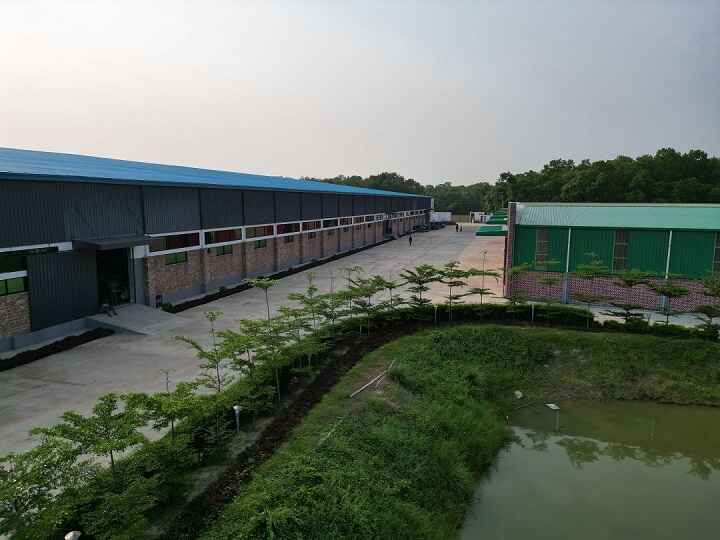
Water recycling and energy efficiency in spinning mills are becoming increasingly important as textile manufacturers face greater pressure to reduce resource use and improve sustainability. International buyers are also paying closer attention to environmentally responsible sourcing, making efficient water and energy management an important part of modern yarn production.
In Bangladesh, where the textile sector is integral to economic growth and export performance, innovation in resource management is central to sustaining long-term competitiveness. Leading manufacturers, including Karotoa Green Spinning Mills Ltd, are implementing advanced water recycling systems and energy-efficient technologies to achieve sustainable yarn production while upholding global quality standards.
The Resource Challenge in Spinning Mills
Spinning mills operate in controlled environments that require consistent humidity, high-speed machinery, lighting, and cooling systems. These processes consume substantial amounts of water and electricity. Without proper optimization, excessive resource usage can lead to:
- High operational costs
- Increased environmental impact
- Regulatory compliance risks
- Reduced competitiveness in global markets
Modern spinning mills address these challenges by embedding sustainability into their infrastructure and operational strategies.
Water Management: A Critical Component of Sustainable Spinning
Water plays an essential role in spinning operations. It supports humidification systems that maintain fiber strength, cleaning processes that ensure machinery efficiency, and cooling systems that regulate temperature.
Traditional water-use models frequently result in inefficiencies and unnecessary waste. Contemporary mills are addressing these issues by implementing structured water recycling and management systems.
Advanced Water Recycling Systems
1️.Closed-Loop Water Circulation
Closed-loop systems collect used water, treat it, and reintroduce it into the production cycle. This significantly reduces dependency on fresh water sources and lowers wastewater discharge.
2️.Industrial Water Treatment Plants
Modern spinning mills install on-site treatment plants to purify wastewater. Filtration, sedimentation, and purification processes ensure that recycled water meets reuse quality standards.
3️.Smart Water Monitoring Technology
Digital monitoring systems track water consumption in real time, identifying leaks and inefficiencies. Data-driven insights enable mills to optimize usage patterns and prevent resource loss.
4️.Controlled Humidification Systems
Maintaining the right humidity level is crucial for yarn strength and performance. Automated humidification systems efficiently regulate moisture, preventing excessive water use while preserving fiber integrity.
These measures enable spinning mills to conserve water and enhance operational resilience.
Energy Efficiency: Reducing Carbon Footprint and Costs
Energy consumption represents one of the largest operational expenses in spinning mills. Continuous machine operation, lighting, ventilation, and climate control require significant power.
Modern textile manufacturers address these challenges by adopting comprehensive energy optimization strategies.
Key Energy Efficiency Initiatives
High-Efficiency Motors and Drives
Replacing conventional motors with energy-efficient alternatives reduces electricity consumption while maintaining production speed.
Automated Production Monitoring
Smart control systems track machine performance, identifying idle time and inefficiencies. Optimized scheduling reduces unnecessary power usage.
LED Lighting Systems
Switching to LED lighting significantly lowers electricity demand while improving visibility and workplace safety.
Renewable Energy Integration
Rooftop solar installations and renewable energy sourcing reduce reliance on conventional power grids, lowering carbon emissions.
Heat Recovery Systems
Recovering waste heat from machinery and redirecting it within the facility improves overall energy utilization.
These innovations reduce environmental impact and contribute to long-term financial sustainability.
Economic Benefits of Sustainable Resource Management
Water recycling and energy efficiency provide measurable business advantages beyond environmental responsibility.
Lower Operational Costs
Reducing water and electricity consumption directly decreases utility expenses.
Improved Global Buyer Confidence
International brands prefer suppliers that align with sustainability standards.
Enhanced Regulatory Compliance
Meeting environmental regulations minimizes operational risks.
Long-Term Competitive Advantage
Sustainable operations strengthen brand reputation and market positioning.
For manufacturers such as Karotoa Green Spinning Mills Ltd, resource optimization supports profitability and enhances global credibility.
Sustainability and Bangladesh’s Textile Leadership
Bangladesh’s textile sector is central to national economic growth. As global markets evolve, the country must align with sustainability-focused trade practices.
Modern spinning mills contribute to national development by:
- Reducing environmental strain on local resources
- Supporting green industrial transformation
- Enhancing export competitiveness
- Promoting responsible manufacturing practices
The integration of water recycling and energy-efficient systems enables manufacturers to reinforce Bangladesh’s position as a progressive textile hub.
Technology-Driven Environmental Accountability
The future of spinning mills lies in digital integration. Emerging technologies are transforming resource management through:
- AI-driven energy optimization
- IoT-enabled water monitoring systems
- Carbon footprint tracking platforms
- Smart factory management dashboards
These innovations establish transparent and measurable sustainability performance indicators. As global buyers increasingly demand traceability and accountability, digital environmental monitoring serves as a key differentiator.
The Role of Industry Leaders
Leadership in sustainable textile manufacturing requires proactive investment and long-term strategic planning. Companies that prioritize environmental stewardship alongside operational efficiency set industry benchmarks.
Karotoa Green Spinning Mills Ltd exemplifies how the integration of eco-friendly infrastructure with advanced spinning technology can strengthen competitiveness. Embedding sustainability into daily operations contributes to Bangladesh’s broader industrial modernization.
Future Trends in Sustainable Spinning Mills
The next generation of spinning mills will focus on:
- Fully integrated closed-loop water systems
- Carbon-neutral production models
- Expanded renewable energy adoption
- AI-powered efficiency optimization
- Green factory certifications
These trends reflect a transition from reactive environmental compliance to proactive sustainability leadership.
Conclusion
Water recycling and energy efficiency are transforming the operations of modern spinning mills. In the resource-intensive textile industry, sustainable practices are essential for long-term success.
The adoption of advanced water treatment systems, energy-efficient machinery, renewable energy solutions, and digital monitoring tools enables spinning mills to reduce environmental impact and strengthen operational performance.
The future of Bangladesh’s textile sector depends on innovation-driven sustainability. Manufacturers that integrate resource efficiency into their core strategies will lead the next era of industrial growth.
Through Continuous modernization and responsible production practices enable progressive spinning mills to build a greener, more technologically advanced, and competitive textile industry.
