

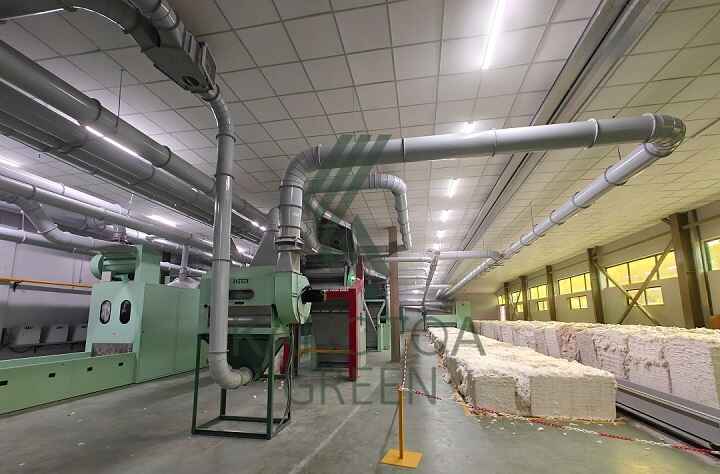
Bangladesh has grown into one of the world’s leading textile manufacturing hubs, supplying yarn and garments to markets across the globe. As international demand continues to rise, the industry is shifting its focus from sheer production volume to efficiency, consistency, and sustainability.
In this evolving landscape, efficient yarn manufacturing solutions have become essential for maintaining competitiveness in the global textile supply chain. Modern spinning mills in Bangladesh are improving their processes by adopting advanced machinery, optimizing production systems, and strengthening workforce capabilities to ensure consistent and reliable output.
Among these forward-thinking manufacturers, Karotoa Green Spinning Mills Ltd stands out for its balanced approach—delivering efficient yarn manufacturing solutions through innovation, operational excellence, and sustainable practices for both local and international markets.
The Growing Need for Efficient Yarn Manufacturing
The global textile industry is becoming increasingly competitive, with buyers expecting more than just large-scale production. Today, the focus is on consistency, reliability, and responsible manufacturing practices.
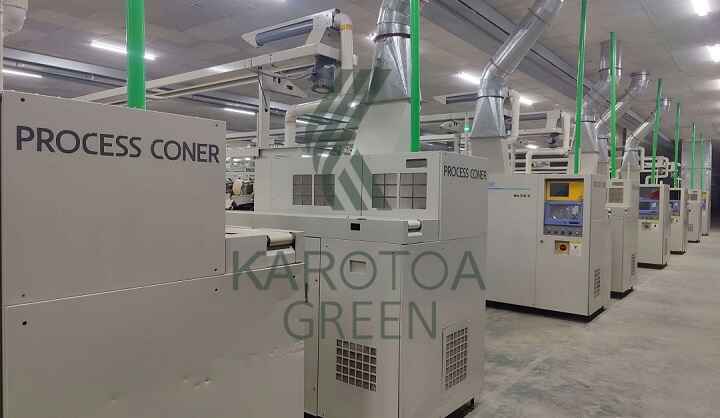
Buyers now look for:
- Consistent yarn quality across every batch
- Timely delivery, especially for bulk orders
- Cost-effective production without compromising standards
- Compliance with sustainability and environmental requirements
To meet these expectations, spinning mills must optimize every stage of the process—from raw material handling to spinning, testing, and final packaging. This is where efficient yarn manufacturing solutions play a critical role in improving overall performance.
Efficiency is no longer just an advantage; it has become essential for maintaining profitability, meeting global standards, and ensuring long-term growth in the textile industry.
What Defines Efficient Yarn Manufacturing?
Efficient yarn manufacturing is not just about increasing speed—it’s about creating a balanced and well-controlled production process. It combines smart use of technology, process optimization, and consistent quality management to achieve better results.
In modern spinning mills, efficiency comes from how well each stage of production is managed and connected.
Key Elements Include:
- High productivity: Achieving maximum output with minimal downtime
- Low material waste: Making the best use of raw fibers
- Consistent quality: Maintaining uniform yarn strength and structure
- Energy efficiency: Reducing power consumption without affecting performance
- Process control: Using real-time monitoring for quick adjustments
When these elements work together, spinning mills can produce reliable, high-quality yarn while keeping production costs competitive. This is what makes efficient yarn manufacturing solutions essential for meeting the expectations of today’s global textile market.
Advanced Technology Driving Efficiency
Technology has become a key driver of efficiency in modern yarn manufacturing. Across Bangladesh, spinning mills are increasingly adopting advanced machinery and automation systems to streamline operations and improve overall performance.
Instead of relying on manual processes, manufacturers are now focusing on precision-driven systems that enhance consistency and reduce production gaps.
Key Technologies Include:
- Compact and ring spinning systems for greater precision
- Automated drafting and control mechanisms for better fiber alignment
- Digital monitoring systems that track performance in real time
- Smart factory solutions that optimize production flow and efficiency
By reducing manual intervention and improving process accuracy, these technologies help minimize defects, maintain consistent yarn quality, and boost productivity. This shift toward automation is a key part of building more efficient yarn manufacturing solutions that meet global industry standards.
High-Capacity Production Systems
Efficient yarn manufacturing also depends on the ability to handle large-scale production without compromising quality. Modern spinning mills are designed to meet bulk demand while maintaining stable and well-controlled operations.
High-capacity production systems allow manufacturers to respond quickly to market needs, especially when dealing with large international orders.
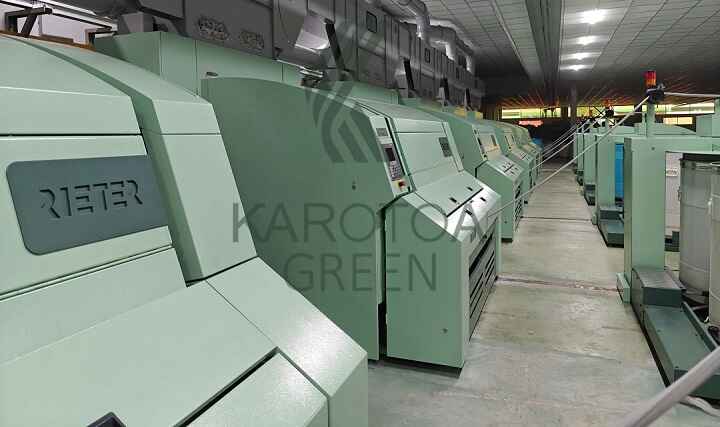
Key Advantages Include:
- Faster turnaround time for bulk and repeat orders
- Scalable production capacity to handle varying demand
- Reliable supply chain support for uninterrupted delivery
- Consistent output across different production cycles
Many of Bangladesh’s leading spinning mills, including Karotoa Green, have invested in infrastructure that supports high-volume yarn manufacturing. This enables them to serve global buyers with consistency, speed, and dependable quality—key factors in today’s competitive textile market.
Quality Control & Process Optimization
Quality control is a fundamental part of efficient yarn manufacturing. Without consistent quality, even the most efficient production systems lose their value in the global market.
Modern spinning mills focus on maintaining strict quality standards throughout the entire process—from raw fiber selection to final yarn output. This includes:
- Laboratory testing for fiber and yarn properties
- Real-time production monitoring systems
- Continuous process optimization to reduce variation
- Early defect detection and prevention mechanisms
These systems ensure that every batch of yarn meets international standards for strength, durability, and uniformity. A well-structured approach to quality control not only improves product reliability but also enhances overall production efficiency.
At Karotoa Spinning Mills Ltd, this commitment is reflected in a detailed and structured approach to quality management. You can explore more about the Quality Control Process at Karotoa Spinning Mills and how it supports consistent, export-quality yarn production.
Sustainability and Cost Efficiency
Sustainability and efficiency often go hand in hand in modern yarn manufacturing. When resources are used wisely, mills not only reduce their environmental impact but also improve overall cost efficiency.
Today, spinning mills are looking beyond traditional methods and focusing on smarter, more responsible production practices that support long-term growth.
Key Sustainability-Driven Practices Include:
- Energy-efficient spinning machinery to reduce power consumption
- Waste reduction and recycling processes to minimize losses
- Optimized use of raw materials for better yield
- Responsible management of water and energy resources
By adopting these practices, spinning mills in Bangladesh are able to lower operating costs while meeting the growing demand for sustainable production. This balance between efficiency and responsibility also strengthens their position in the global textile market, where buyers increasingly value eco-friendly sourcing.
The Role of Skilled Workforce
Even with advanced machinery and automation, human expertise remains essential in yarn manufacturing. Skilled technicians and operators play a crucial role in ensuring that production systems run smoothly and quality standards are consistently maintained.
In modern spinning mills, efficiency is not just driven by technology—it also depends on the experience and precision of the workforce behind it.
Key Workforce Contributions Include:
- Machine operation and regular maintenance
- Quality monitoring and timely adjustments
- Process optimization for improved efficiency
- Safety and compliance management across operations
Continuous training and skill development programs help workers stay updated with new technologies and industry practices. This not only improves productivity but also strengthens overall operational performance.
A well-trained workforce, combined with modern systems, creates a strong foundation for efficient yarn manufacturing and long-term success in the textile industry.
Karotoa Green’s Approach to Efficient Yarn Manufacturing
Karotoa Green Spinning Mills Ltd follows a well-rounded approach to efficient yarn manufacturing by combining advanced technology, sustainable practices, and strong process control. This integrated system allows the mill to maintain consistency while adapting to the changing demands of the global textile market.
Rather than focusing on a single aspect of production, Karotoa emphasizes balance—ensuring that efficiency, quality, and sustainability work together across every stage of the process.
Key Focus Areas:
- Advanced spinning machinery for precise and consistent yarn production
- Automated systems that reduce downtime and minimize operational errors
- Strict quality control processes to maintain international standards
- Sustainable production practices that support long-term efficiency
- Reliable bulk yarn supply capability for global buyers
This integrated model enables Karotoa Green to deliver export-quality yarn with consistency and reliability, while also maintaining cost efficiency and environmental responsibility. It reflects a modern approach to yarn manufacturing, where performance and sustainability go hand in hand.
Why Bangladesh Is a Global Hub for Yarn Manufacturing
Bangladesh has become a key player in the global yarn manufacturing industry, supported by a strong and well-connected textile ecosystem. Over the years, the country has built a reliable supply chain that supports both local production and international demand.
Several factors contribute to this growth and make Bangladesh an attractive destination for global buyers:
- A well-established textile ecosystem with strong backward linkages
- A skilled workforce with hands-on industry experience
- A cost-effective production environment that supports competitive pricing
- Continuous investment in modern machinery and advanced manufacturing systems
These advantages allow spinning mills in Bangladesh to deliver consistent quality, maintain efficiency, and meet the expectations of international markets. As a result, the country continues to strengthen its position as a preferred sourcing hub for yarn and textile products.
The Future of Efficient Yarn Manufacturing
The future of yarn manufacturing is being shaped by a strong focus on innovation and sustainability. As the textile industry continues to evolve, manufacturers are exploring smarter and more efficient ways to improve production while reducing environmental impact.
New technologies and systems are gradually transforming how spinning mills operate, making processes more connected, data-driven, and resource-efficient.
Key Trends Include:
- AI-driven production optimization for better decision-making
- Smart factory integration with real-time monitoring systems
- Adoption of renewable energy to reduce carbon footprint
- Advanced quality monitoring systems for consistent output
Manufacturers that embrace these changes will be better positioned to improve efficiency, meet global standards, and stay competitive in the evolving textile market. These trends are setting the direction for the next phase of growth in yarn manufacturing.
Conclusion
Efficient yarn manufacturing solutions in Bangladesh are playing a key role in transforming the textile industry. By combining advanced technology, high-capacity production systems, strong quality control, and sustainable practices, modern spinning mills are reaching new levels of productivity and reliability.
Karotoa Green Spinning Mills Ltd reflects this transformation through its focus on innovation, operational efficiency, and responsible manufacturing. The mill continues to deliver high-quality yarn that meets the expectations of both local and international markets.
As global demand continues to evolve, efficiency will remain a defining factor for long-term success. With its growing focus on technology, sustainability, and skilled workforce development, Bangladesh’s spinning sector is well-positioned to lead the next phase of growth in the global textile industry.
