

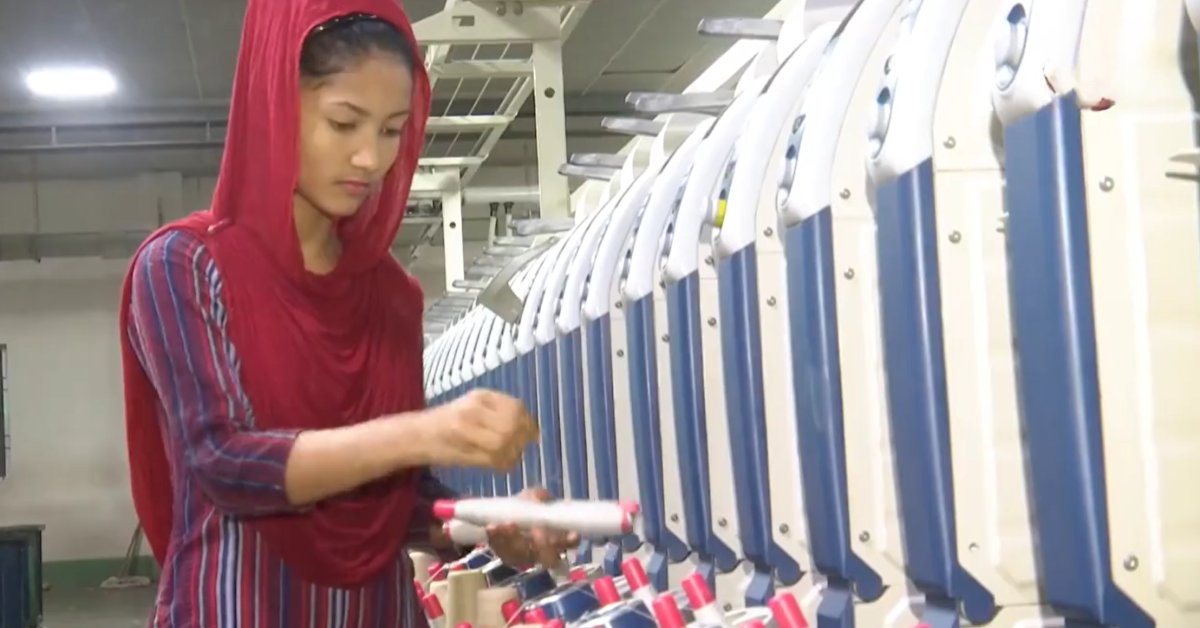
Ask ten sourcing managers what makes a fabric feel “premium” without looking overworked, and most will point to the same answer: melange. That soft, heathered, slightly mottled look on a t-shirt or a hoodie isn’t an accident of dyeing the finished fabric — it’s built into the yarn itself, fiber by fiber, before a single stitch is knitted or woven.
If you’re sourcing yarn for apparel, home textiles, or activewear, understanding what melange yarn actually is — and how to tell a well-made batch from a poorly blended one — will save you from shade-matching headaches down the line. Here’s a practitioner’s breakdown of what it is, how it’s produced, and what to check before you commit to a supplier.
What Is Melange Yarn?
Melange yarn (also spelled mélange, and sometimes called heather yarn) is yarn spun from two or more differently colored fibers rather than dyed as a single solid shade after spinning. The word itself comes from the French for “mixture,” and that’s exactly what you’re buying: a yarn where the color variation lives inside the strand, not on top of it.
This is the detail that separates real melange from an imitation. If a supplier dyes finished yarn or fabric to fake a mottled look, that’s not melange — it’s a garment-dyed or piece-dyed effect. Genuine melange starts at the fiber stage, before carding and spinning, which gives it a slightly grainy, three-dimensional texture rather than a flat, uniform tone.
There are two broad categories buyers should know:
- Blended melange yarn: two or more fiber types are combined in a fixed ratio — for example, polyester-cotton blends like PC 65:35 or PC 50:50, or cotton-viscose combinations.
- Non-blended melange yarn: the same fiber type is used throughout, but in two or more colors — commonly raw white cotton mixed with a percentage of dyed cotton, which is how classic grey melange is made.
Within those two categories, mills also produce recognizable styles such as heather, marl, snowy, and neppy melange, each varying in how visible the color flecking is and how much texture the yarn carries.
How Melange Yarn Is Made
The production process follows the same core stages as standard yarn spinning, but with additional steps for dyeing, blending ratios, and shade consistency. A typical workflow looks like this:
1. Fiber selection. The mill chooses the base fibers — cotton, viscose, polyester, or a blend — based on the target shade, hand feel, and dye affinity, since different fibers absorb color differently.
2. Fiber dyeing. Instead of dyeing the finished yarn, raw fiber (or a portion of it) is dyed first. This is the step that defines true melange: color is introduced at the loose-fiber stage, before any spinning happens.
3. Blending. Dyed and undyed (or differently colored) fiber batches are combined in a precise ratio — say, 85% raw cotton to 15% dyed cotton for a darker grey melange, or 95:5 for a lighter, near-ecru tone. This ratio is what a buyer is really specifying when they ask for a particular melange shade.
4. Carding and drawing. The blended fiber mass is carded to align the fibers and remove impurities, then passed through drawing frames to even out fiber distribution — critical for avoiding visible streaks in the final yarn.
5. Spinning. The blended sliver is spun into yarn on ring, compact, or Siro spinning systems, locking the color mixture permanently into the yarn structure.
6. Quality and lot control. Because melange relies on a precise blend ratio, mills track dye lots carefully to prevent shade variation between batches — one of the most common quality complaints buyers raise, and one worth testing for before placing a bulk order.
Understanding this process matters at the sourcing stage because it explains why melange yarn needs tighter lot tracking than solid-dyed yarn, and why asking a supplier about their blending and lot-control practices is a legitimate, informed question — not a red flag that you don’t trust them. If you’re not sure what separates a trading house from an actual production facility, it’s worth reading what a spinning mill is and does before you evaluate any melange yarn manufacturer’s claims.
Why Buyers Choose Melange Yarn
A premium look without a premium process. Melange gives simple garment silhouettes — basic tees, joggers, hoodies — a more elevated, textured appearance than a flat solid color, which is why it’s a staple in casualwear, athleisure, and kidswear lines.
It hides imperfections. The mottled, multi-tonal surface is genuinely useful in production: minor slubs, small stains, or light soiling are far less visible on a melange fabric than on a flat solid, which is one reason it’s a favorite for children’s clothing and activewear that sees heavy wear.
Durability and low-maintenance aging. Melange fabrics tend to resist visible pilling and wear more gracefully over repeated washes, since color variation naturally camouflages fiber breakdown that would show clearly on a solid shade.
Sustainability appeal. Fiber-level dyeing can reduce water and chemical use compared to piece-dyeing finished fabric, and melange production is increasingly compatible with recycled or leftover fiber stock — a genuine advantage for buyers under pressure to show progress on sustainable sourcing, though it’s worth verifying a specific mill’s water and dye practices rather than assuming this benefit applies universally. Organizations likeTextile Exchange publish broader industry benchmarks on preferred fiber and materials use if you want to see how sustainability claims are being measured at an industry level.
Versatility across categories. The same underlying technique scales from budget basics to higher-end apparel, and works across knits and wovens — t-shirts, hoodies, uniforms, bedsheets, towels, and upholstery fabrics all use melange yarn for the same reason: texture and depth without added finishing steps.
What to Check Before You Order
Melange yarn is more sensitive to quality control than solid-dyed yarn, mainly because the color effect depends on a precise fiber ratio being held consistently across an entire production lot. Before committing to volume, it’s worth confirming a few things with any supplier:
- Shade consistency across lots. Ask to see multiple lots of the same shade code side by side, not just one approved sample.
- Blend ratio documentation. A mill that can tell you the exact fiber percentages behind a shade (rather than “it’s close to this Pantone”) is one that’s properly tracking its process.
- Nep and spot control, especially for darker shades on a light base or vice versa, since neps are more visible at high contrast ratios.
- Physical samples before bulk commitment. Color on screen and color in hand are two different things with melange, given how the flecking reads differently under different lighting. Our yarn sample guide for textile buyers walks through exactly what to request and evaluate before you place a bulk PO.
If you’re new to sourcing from overseas mills altogether, it’s also worth reading through our guide on how to buy yarn from Bangladesh, which covers MOQs, lead times, and how to vet a spinning mill’s actual production capability rather than relying on a sales deck.
The Bottom Line
Melange yarn earns its place in a sourcing plan because it solves a real problem: it makes basic garments look intentional, hides the small flaws that come with volume production, and does it with a process that can be genuinely more sustainable than solid dyeing when a mill runs it properly. The tradeoff is that it demands more attention to blend ratios and lot consistency than a standard solid-dyed yarn, which is exactly why the mill you choose matters as much as the shade card they hand you.
Looking for a mill that gets the blend ratio right the first time? Karotoa Green spins melange yarn with tighter lot control and transparent fiber-blend documentation, so the shade you approve is the shade you receive at bulk. Get in touch with Karotoa Green to request samples or discuss your next order.
