

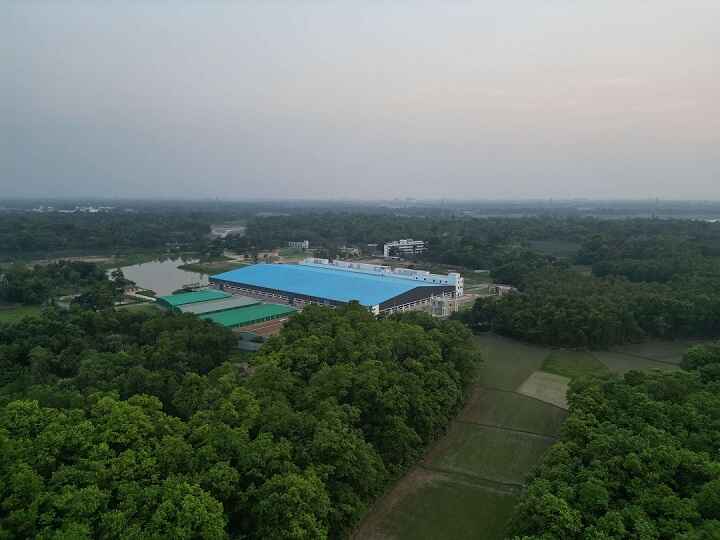
The textile industry is under increasing pressure to reduce its environmental impact, making the carbon footprint of yarn production an important consideration for manufacturers, brands, and buyers worldwide. From energy consumption and raw material processing to transportation and waste management, every stage of yarn manufacturing contributes to greenhouse gas emissions.
Bangladesh, as a leading textile manufacturing country, has invested substantially in modern spinning technology, energy efficiency, and sustainable manufacturing practices. These initiatives enable manufacturers to enhance productivity while minimising environmental impact. This article analyses the key factors affecting yarn production’s carbon footprint and evaluates the performance of Bangladesh’s modern spinning mills in the context of a global textile industry increasingly prioritising sustainability.
What Is the Carbon Footprint of Yarn Production?
A carbon footprint measures the total greenhouse gas emissions generated throughout a product’s lifecycle. In yarn manufacturing, emissions typically come from:
- Electricity consumption
- Fuel used for power generation
- Cotton processing
- Transportation and logistics
- Manufacturing operations
- Waste management activities
The environmental impact of yarn production varies depending on fibre type, machinery efficiency, energy sources, and operational practices. Because spinning is one of the most energy-intensive stages of textile manufacturing, improving its efficiency can significantly reduce overall emissions.
Why Carbon Footprint Matters in the Textile Industry
Sustainability has evolved beyond a corporate responsibility initiative. Currently, many international apparel brands assess suppliers based on environmental performance, resource efficiency, and carbon-reduction measures.
Several global sourcing trends are driving this shift:
- Increased sustainability commitments from brands
- Environmental reporting requirements
- Consumer demand for responsibly manufactured products
- ESG-focused investment decisions
- Supply chain transparency expectations
Consequently, textile manufacturers that successfully reduce emissions while maintaining quality and productivity can achieve a competitive advantage in global markets.
Major Sources of Carbon Emissions in Yarn Manufacturing
Energy Consumption
Energy consumption remains the largest contributor to carbon emissions in spinning mills. Modern facilities operate thousands of spindles along with carding machines, drawing frames, humidification systems, compressors, and winding equipment.
Processes such as carding, drawing, ring spinning, and winding require significant electrical power. For many spinning mills, electricity accounts for the largest share of their operational carbon footprint.
Modern equipment can help reduce energy consumption through:
- High-efficiency motors
- Variable frequency drives
- Automated monitoring systems
- Smart production controls
- Process optimisation technologies
Raw Material Processing
The environmental impact of yarn production begins long before fibres reach the spinning mill. Cotton cultivation, irrigation, harvesting, transportation, and fibre preparation all contribute to greenhouse gas emissions.
Manufacturers seeking to lower environmental impact are increasingly adopting approaches that support eco-friendly production from cotton to yarn, helping reduce resource consumption throughout the textile value chain.
Transportation and Logistics
Raw cotton, packaging materials, and finished yarn often travel across multiple regions before reaching end users. Transportation-related emissions can therefore contribute significantly to the overall carbon footprint of textile production.
Efficient logistics planning and responsible sourcing strategies can help minimise these impacts.
Waste Generation
Production waste increases resource consumption and environmental impact. Effective quality control systems, waste-reduction initiatives, and process optimisation strategies help manufacturers improve sustainability while reducing operational costs.
How Bangladesh’s Spinning Mills Compare
Bangladesh has become one of the world’s most important textile manufacturing hubs. The country’s spinning sector supports both domestic garment production and international textile supply chains.
Compared with textile-producing countries such as Bangladesh, its modern spinning mills have made considerable progress in areas like energy efficiency, environmental management, and operational performance. Key areas of comparison include technology adoption, carbon emission reduction initiatives, and resource optimisation.
Bangladesh vs Other Major Textile-Producing Countries
| Bangladesh | High in modern mills | Growing rapidly | Increasing |
| India | Moderate to High | Moderate | Growing |
| China | Advanced | High | Significant |
| Vietnam | High | High | Increasing |
| Pakistan | Moderate | Moderate | Developing |
While sustainability performance varies across facilities, many modern spinning mills in Bangladesh have made notable investments compared to their peers in other countries. These include adopting advanced machinery, implementing automation systems, and launching environmental management programs. Comparison points focus on the extent of technological upgrades, the scope of automation, and the effectiveness of environmental initiatives.
Investment in Modern Manufacturing Technology
Over the past decade, Bangladesh’s textile sector has invested heavily in advanced spinning technologies. These investments have helped manufacturers:
- Improve productivity
- Reduce energy consumption
- Enhance yarn quality
- Lower waste generation
- Improve process control
Automation and digital monitoring systems also help manufacturers identify inefficiencies and continuously optimise operations.
Focus on Energy Efficiency
Energy efficiency has become a strategic priority throughout Bangladesh’s textile industry. Manufacturers increasingly invest in:
- High-efficiency motors
- LED lighting systems
- Automated monitoring technologies
- Heat recovery systems
- Smart production management tools
Many facilities are also implementing water recycling and energy efficiency initiatives to reduce operating costs while lowering greenhouse gas emissions.
Improved Environmental Management
Sustainability efforts now extend beyond energy savings. Manufacturers are increasingly implementing environmental management systems focused on:
- Water conservation
- Waste reduction
- Resource optimization
- Pollution prevention
- Environmental monitoring
Effective water management in spinning mills has become an important component of responsible textile manufacturing.
Sustainability in Practice: The Role of Modern Spinning Mills
Reducing the carbon footprint of yarn production requires continuous investment in technology, operational efficiency, and resource management.
At Karotoa Green, we recognise that sustainable manufacturing is an ongoing process. Through modern production practices, quality control systems, and responsible resource management, manufacturers can reduce waste, improve efficiency, and support long-term sustainability goals.
As global buyers increasingly evaluate suppliers based on environmental performance, spinning mills that invest in sustainability initiatives are better positioned to meet future market expectations.
The Future of Low-Carbon Yarn Production
The future competitiveness of textile manufacturing will increasingly depend on sustainability performance.
Key trends shaping the industry include:
- Digital manufacturing and automation
- Renewable energy adoption
- Circular manufacturing practices
- Sustainability reporting
- Supply chain transparency
Manufacturers are increasingly integrating sustainability into every stage of production. This shift supports the broader movement toward sustainable textile manufacturing in Bangladesh while strengthening the country’s reputation among global buyers.
Conclusion
The carbon footprint of yarn production is becoming an increasingly important factor within the global textile industry. While yarn manufacturing remains energy-intensive, Bangladesh’s spinning sector has made significant progress through investments in modern technology, operational efficiency, and sustainability initiatives.
By prioritising energy-efficient machinery and advanced resource management, manufacturers are not only reducing environmental impact but also elevating quality and productivity. As global sustainability expectations intensify, ongoing innovation and responsible practices will be essential in ensuring Bangladesh’s continued leadership in the textile industry. Embracing continuous improvement and innovation will ensure the country’s textile sector remains competitive and sustainable.
Looking for a Sustainable Yarn Manufacturing Partner?
At Karotoa Green, we combine modern spinning technology, operational excellence, and responsible manufacturing practices to produce high-quality cotton yarn for domestic and international markets.
Whether you are sourcing yarn for knitting, weaving, or textile manufacturing applications, our team is ready to support your requirements with dependable supply, consistent quality, and a commitment to sustainability.
Frequently Asked Questions
What is the carbon footprint of yarn production?
The carbon footprint of yarn production refers to the total greenhouse gas emissions generated throughout the manufacturing process, including electricity consumption, transportation, raw material processing, and waste management.
How do spinning mills reduce carbon emissions?
Spinning mills reduce emissions through energy-efficient machinery, process optimisation, the adoption of renewable energy, waste-reduction initiatives, and improved resource management practices.
Why is sustainability important in textile manufacturing?
Sustainability helps manufacturers reduce environmental impact, improve efficiency, meet buyer expectations, and remain competitive in global markets.
Does energy efficiency reduce the carbon footprint of yarn production?
Yes. Energy consumption is a major contributor to emissions in spinning mills, making efficiency improvements one of the most effective ways to reduce environmental impact.
