

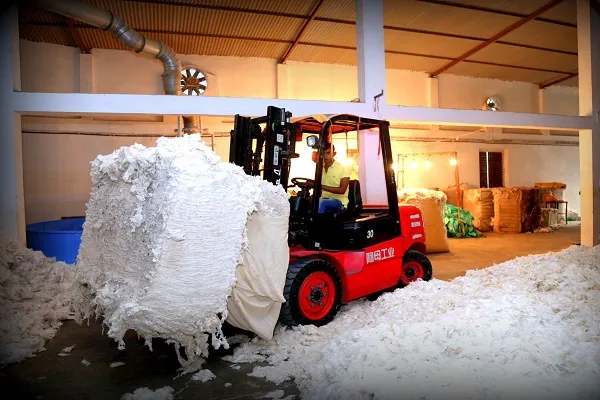
Modern spinning mills depend on more than just advanced machinery. They also depend on the skilled workers in spinning mills who operate and manage those systems effectively.
In today’s textile industry, yarn quality, production efficiency, and delivery timelines are more important than ever. Global buyers expect consistent quality, fewer defects, and reliable supply across every order. Meeting these expectations requires skilled workers at every stage of the spinning process.
Even the most modern machines cannot perform at their best without trained operators, technicians, and quality control teams. Human expertise is essential for maintaining stable production, solving technical issues, and ensuring consistent yarn quality.
That is why skilled workers have become one of the most valuable assets in modern spinning mills. They play a direct role in improving efficiency, reducing waste, and supporting long-term production reliability.
The Spinning Industry Has Changed
Years ago, spinning mills relied heavily on manual work. Many tasks were repetitive and depended more on physical labor than technical knowledge.
Today, the industry looks very different.
Modern spinning mills now use:
- Automated machines
- Digital monitoring systems
- Advanced quality control equipment
As technology has evolved, the role of workers has changed as well. Workers now need to understand:
- Machine settings and adjustments
- Production monitoring systems
- Basic troubleshooting and maintenance
- Quality control standards
The role of workers is no longer only operational. It has become increasingly technical, requiring better skills, training, and problem-solving ability.
Skilled Workers Help Maintain Yarn Quality
Yarn quality is one of the most important factors in textile production.
If the yarn quality is poor, it can create problems throughout the entire manufacturing process, including:
- Knitting
- Weaving
- Dyeing
- Final garment production
Even small mistakes during spinning can lead to:
- Uneven yarn structure
- Higher yarn breakage
- Increased material waste
- Production delays
Skilled workers play a key role in preventing these issues. With proper training and experience, they know how to:
- Monitor machines accurately
- Detect production issues early
- Adjust machine settings when needed
- Maintain consistent production quality
Their expertise helps spinning mills produce stronger, more uniform yarn while reducing waste and improving overall efficiency.
Machine Efficiency Depends on Skilled Operators
Modern spinning machines are fast, precise, and highly advanced. But even the best machinery still depends on proper handling and supervision.
An experienced operator understands:
- How machines normally behave
- When performance starts to change
- How to reduce downtime and maintain stability
Without the right skills, even advanced equipment may not operate efficiently. This can lead to:
- More machine stoppages
- Lower production output
- Increased maintenance and repair costs
Skilled workers help keep production running smoothly by identifying issues early, maintaining machine performance, and ensuring consistent operation throughout the production process.
Skilled Teams Reduce Waste
Waste is a major concern in spinning mills because it directly affects both production costs and efficiency.
Poor handling and lack of process control can increase:
- Fiber waste
- Yarn defects
- Reprocessing and material loss
Skilled workers help reduce these problems through careful monitoring and proper handling throughout the production process. They understand how to:
- Handle raw materials correctly
- Monitor production closely
- Identify issues before they become larger problems
- Reduce unnecessary material loss
Even small improvements in handling and process control can save a significant amount of material over time. This not only improves production efficiency but also supports better profitability and more sustainable operations.
Automation Still Needs Human Skills
Many people assume that automation reduces the need for workers. In reality, it changes the type of skills workers need.
Modern spinning mills still depend on people to:
- Monitor production systems
- Analyze machine and production data
- Respond to machine alerts and issues
- Maintain and troubleshoot equipment
Automation improves efficiency, but it works best when supported by trained and skilled workers who understand the production process.
As spinning technology continues to advance, technical knowledge and problem-solving skills are becoming increasingly important across the textile industry.
Training Makes a Big Difference
Workers are not born with technical knowledge. Skills develop through proper training, hands-on experience, and continuous learning.
Good training helps workers:
- Understand machines and processes better
- Improve production quality and consistency
- Follow workplace safety practices
- Work more efficiently and confidently
Training also helps employees respond more effectively to production issues and changing technologies on the factory floor.
Many successful spinning mills now invest regularly in workforce development because they recognize the long-term value of skilled and well-trained teams. Better training leads to better performance, lower operational problems, and more reliable production overall.
Workplace Safety Also Depends on Skills
Spinning mills operate with:
- Fast-moving machinery
- Electrical systems
- Dust-heavy production environments
Without proper training and awareness, these conditions can increase the risk of workplace accidents and operational problems.
Skilled workers understand:
- Safe machine operating procedures
- Emergency response practices
- Proper handling and maintenance methods
Their knowledge helps reduce risks, prevent accidents, and create a safer working environment across the production floor. Strong safety awareness also supports smoother operations and better long-term productivity.
Skilled Workers Improve Buyer Confidence
Global buyers expect:
- Consistent product quality
- Timely delivery
- Reliable production performance
A skilled workforce plays an important role in maintaining these standards across daily operations.
When workers understand production processes and quality requirements, mills are better able to maintain stable output, reduce defects, and avoid unnecessary delays. This helps build stronger trust and long-term relationships with buyers.
In export-focused textile markets like Bangladesh, maintaining buyer confidence is especially important for staying competitive in the global industry.
The Role of Modern Spinning Mills
Forward-thinking spinning mills understand that people are just as important as technology.
At Karotoa Green Spinning Mills Ltd, strong production is built on both modern machinery and skilled workers. Alongside efficient systems and advanced technology, continuous workforce development remains an important part of maintaining consistent yarn quality and supporting sustainable growth.
This balanced approach helps spinning mills:
- Reduce production issues
- Improve quality consistency
- Increase operational efficiency
- Support long-term business growth
Investing in workforce development is no longer optional. It has become an essential part of building a reliable, competitive, and future-ready spinning mill.
The Future of the Spinning Workforce
The textile industry will continue to evolve as technology becomes more advanced and production systems become more connected.
Future spinning mills will rely increasingly on:
- Automation
- Smart production systems
- Real-time monitoring and data analysis
As a result, workers will need stronger technical knowledge, problem-solving ability, and adaptability.
The role of employees will continue shifting from manual operation toward system monitoring, process control, and technical decision-making. Because of this, continuous learning and skill development will become a regular part of everyday mill operations.
Mills that invest in both technology and workforce development will be better prepared for future industry demands and long-term growth.
Conclusion
Machines play an important role in modern spinning mills, but skilled workers are what keep production stable, efficient, and reliable.
They help maintain yarn quality, reduce waste, improve machine performance, and support workplace safety throughout the production process.
As the spinning industry continues to advance through automation and smart technologies, the demand for trained and experienced workers will only continue to grow.
In the end, advanced machinery can improve production capacity, but it is skilled people who make a spinning mill truly successful.
FAQ
Why are skilled workers important in spinning mills?
Skilled workers are important in spinning mills because they help maintain consistent yarn quality, improve machine efficiency, reduce production waste, and support smooth day-to-day operations. Their knowledge and experience also help prevent production issues and improve overall productivity.
How do workers improve yarn quality?
Workers improve yarn quality by monitoring machines closely, detecting production issues early, and adjusting machine settings when needed. Their experience helps maintain consistent yarn strength, evenness, and overall production quality.
Does automation reduce the need for workers?
Automation changes the role of workers, but skilled employees are still essential in modern spinning mills. Workers are needed to monitor systems, manage machine performance, analyze production data, and handle technical issues when they arise.
Why is training important in spinning mills?
Training is important in spinning mills because it helps workers improve technical skills, increase production efficiency, maintain yarn quality, and follow proper workplace safety practices. Well-trained employees also adapt more effectively to modern machinery and automated systems.
How do skilled workers support textile exports?
Skilled workers support textile exports by helping maintain consistent yarn quality, reliable production, and timely delivery. This improves buyer confidence and helps spinning mills meet international quality standards and export requirements.
